Support our educational content for free when you buy through links on our site. Learn more
10 Shocking Bad Signs in Dreams You Can’t Ignore (2025) 😱


Have you ever jolted awake, heart pounding, after a dream so unsettling it lingered all day? You’re not alone. Bad signs in dreams—those eerie, disturbing symbols and nightmares—have fascinated humans for millennia. But are they just random brain noise, or could they be meaningful messages from your subconscious? At Dream and Meaning™, we’ve uncovered the hidden language behind these nocturnal warnings and how you can decode them to transform fear into insight.
In this comprehensive guide, we’ll explore the most common bad signs in dreams, their cultural meanings, scientific explanations, and practical tips to reduce nightmares. Plus, you’ll hear real stories of people who turned their darkest dreams into powerful catalysts for change. Ready to unlock the secrets your dreams are trying to tell you? Let’s dive in!
Key Takeaways
- Bad signs in dreams often symbolize deep fears, anxieties, or unresolved conflicts—not literal predictions.
- Common nightmares include being chased, falling, losing teeth, and feeling powerless.
- Dream interpretation varies widely by personal experience and cultural background.
- Improving sleep hygiene and stress management can reduce bad dreams significantly.
- Recurring nightmares or severe distress may indicate nightmare disorder, which is treatable.
- Dream journals and apps like Dreamily or Lucid Dream Journal can help track and decode your dreams.
👉 Shop Dream Journals and Apps on:
Unlock the power of your dreams and turn those bad signs into your greatest guides! 🌙✨
Table of Contents
- Quick Tips and Facts About Bad Signs in Dreams ⚡️
- Dreams Through the Ages: The History and Symbolism of Bad Signs in Dreams 🕰️
- 1. What Are the Most Common Bad Signs and Nightmares? 😱
- 2. Decoding the Dark: Exploring Common Bad Dream Symbols and Their Meanings 🔍
- 3. Are Bad Signs in Dreams Actual Warnings or Just Your Brain Playing Tricks? ⚠️
- 4. How to Respond When Your Dreams Send You a Red Flag 🚩
- 5. 10 Proven Tips to Reduce Bad Dreams and Sleep Like a Baby 😴
- 6. The Science Behind Bad Dreams: What Neuroscience and Psychology Say 🧠
- 7. Cultural Perspectives: How Different Cultures Interpret Bad Signs in Dreams 🌍
- 8. When Bad Dreams Become a Disorder: Understanding Nightmare Disorder and Its Symptoms 🛌
- 9. Real Stories: How People Have Interpreted and Overcome Their Bad Signs in Dreams 📖
- 10. Dream Journals and Apps: Tools to Track and Decode Your Bad Signs 📱
- Conclusion: Embracing the Shadows—What Bad Signs in Dreams Teach Us 🌙
- Recommended Links for Further Dream Exploration 🔗
- FAQ: Your Burning Questions About Bad Signs in Dreams Answered ❓
- Reference Links: Trusted Sources and Further Reading 📚
Quick Tips and Facts About Bad Signs in Dreams ⚡️
We’ve all been there: waking up in a cold sweat after a dream where everything seemed to be going wrong. But are these bad signs in dreams something to be feared, or are they simply our subconscious working through the day’s anxieties? 🤔
At Dream and Meaning™, we believe that understanding your dreams, even the unsettling ones, can be incredibly empowering. Here are some quick tips and facts to get you started:
- Not all bad dreams are created equal. A one-off nightmare about being chased is very different from recurring nightmares about losing a loved one. Pay attention to frequency and intensity.
- Context is key. The same symbol (like a snake) can have vastly different meanings depending on your personal experiences and cultural background.
- Your dream, your rules. While dream dictionaries can be helpful starting points, ultimately, you are the best interpreter of your own dreams. Trust your gut!
- Dreams can be therapeutic. Even nightmares can offer valuable insights into our deepest fears and desires. By facing them head-on, we can often find solutions in our waking lives.
Remember: Dreams are rarely literal. A dream about missing an important meeting doesn’t necessarily mean you’ll be fired. It might symbolize a fear of failure or a feeling of being overwhelmed.
Ready to dive deeper into the world of bad signs in dreams? Keep reading! 👇
Dreams Through the Ages: The History and Symbolism of Bad Signs in Dreams 🕰️

Dreams have fascinated and perplexed humankind since the dawn of time. Ancient civilizations often viewed dreams as messages from the gods, portals to other realms, or prophetic visions of the future.
Ancient Dream Interpretation
- Mesopotamia: The ancient Mesopotamians believed that dreams were divine messages, often containing warnings or advice. They even had dedicated “dream interpreters” who held positions of power.
- Ancient Egypt: Egyptians placed great importance on dreams, believing they could reveal hidden truths and even influence the afterlife. They compiled elaborate dream dictionaries to decipher the meaning of various symbols.
- Ancient Greece: The Greeks believed that dreams were a way for the gods to communicate with mortals. Temples were even built specifically for dream incubation, where people would sleep in hopes of receiving divine guidance.
The Evolution of Dream Interpretation
Over time, dream interpretation evolved alongside various schools of thought, from philosophy and religion to psychology and neuroscience.
- Sigmund Freud, the father of psychoanalysis, viewed dreams as a window into the unconscious mind, filled with repressed desires and unresolved conflicts.
- Carl Jung, a Swiss psychiatrist, believed that dreams contained universal archetypes and symbols that reflect our collective unconscious.
Today, dream interpretation remains a rich and multifaceted field, drawing upon insights from psychology, neurobiology, cultural studies, and even art and literature. While there’s no single “right” way to interpret dreams, exploring different perspectives can deepen our understanding of these enigmatic nocturnal experiences.
1. What Are the Most Common Bad Signs and Nightmares? 😱
While dream symbols are deeply personal, some bad signs and nightmares appear to be nearly universal. Here are a few of the most frequently reported unsettling dream themes, as observed by dream analysts at Dream and Meaning™ and supported by research:
- Being Chased: This classic nightmare can symbolize a sense of being pursued or threatened in waking life. It might represent an unresolved conflict, a fear of confrontation, or even a part of yourself that you’re trying to outrun.
- Falling: The feeling of falling often represents a loss of control, insecurity, or a fear of failure. It can also relate to feelings of vulnerability or a sense of being overwhelmed.
- Teeth Falling Out: This surprisingly common nightmare often symbolizes a loss of power, attractiveness, or control. It can also represent anxieties about aging, health, or self-image.
- Being Naked in Public: This dream typically reflects feelings of vulnerability, shame, or exposure. It can also symbolize a fear of judgment or a sense of being unprepared.
- Being Unable to Speak or Scream: This frustrating dream often represents feelings of powerlessness, frustration, or an inability to communicate effectively in waking life.
But remember: These are just general interpretations. The specific meaning of these bad signs in your dreams will depend on your unique circumstances and emotions surrounding the dream.
2. Decoding the Dark: Exploring Common Bad Dream Symbols and Their Meanings 🔍
Dreams speak to us in a language of symbols, metaphors, and emotions. Deciphering these symbols is like piecing together a puzzle, using both universal interpretations and your own personal experiences as clues.
Here are some common bad dream symbols and their potential meanings, drawing upon the expertise of our dream interpreters at Dream and Meaning™:
- Animals: Animals often represent different aspects of ourselves or our instincts. For example, a snake might symbolize transformation or healing, while a spider could represent creativity or fear.
- Natural Disasters: Dreams about natural disasters, such as earthquakes, floods, or fires, often symbolize upheaval, chaos, or a loss of control. They can also represent powerful emotions or significant life changes.
- Death: While dreams about death can be unsettling, they rarely represent literal death. Instead, they often symbolize endings, transformations, or new beginnings.
- Houses: Houses often represent our sense of self, with different rooms symbolizing different aspects of our psyche. A dream about a crumbling house might indicate feelings of instability or insecurity.
- Vehicles: Vehicles often represent our direction in life or our ability to control our path. A dream about a car crash might symbolize a fear of losing control or making a mistake.
Remember: Dream symbols are highly personal. A symbol that evokes fear in one person might represent strength or resilience in another. Pay attention to your own emotional responses to the symbols in your dreams.
3. Are Bad Signs in Dreams Actual Warnings or Just Your Brain Playing Tricks? ⚠️
This is the million-dollar question, isn’t it? Can our dreams actually warn us about future events, or are they simply a reflection of our anxieties and fears?
While there’s no definitive answer, here’s what we know:
✅ Evidence for Dreams as Warnings:
- Intuition and Precognition: Some people believe that dreams can tap into our intuition or even offer glimpses into the future. While this is difficult to prove scientifically, there are countless anecdotal accounts of dreams seeming to predict real-life events.
- Emotional Processing: Dreams often serve as a way for our brains to process emotions and experiences that we haven’t fully dealt with in our waking lives. A recurring nightmare about a past trauma, for example, might be a sign that we need to seek professional help to heal.
❌ Evidence Against Dreams as Literal Warnings:
- Confirmation Bias: We tend to remember and focus on dreams that seem to “come true” while dismissing those that don’t. This is known as confirmation bias.
- Symbolic Nature of Dreams: Dreams rarely unfold in a literal, straightforward manner. A dream about a friend betraying you might not mean they’re planning to steal from you; it could symbolize a fear of betrayal or a sense of insecurity in the relationship.
So, what’s the verdict? While it’s unlikely that dreams offer literal predictions of the future, they can provide valuable insights into our subconscious minds and emotional states. If you’re having recurring bad dreams or nightmares that are causing you distress, it’s always a good idea to consult with a mental health professional.
4. How to Respond When Your Dreams Send You a Red Flag 🚩
So, you’ve had a dream that’s left you feeling unsettled, anxious, or even fearful. What do you do? Here are some tips from the experts at Dream and Meaning™:
- Don’t Panic: Remember that dreams are rarely literal. Just because you dreamt about something bad happening doesn’t mean it will actually come true.
- Write It Down: As soon as you wake up, jot down as many details as you can remember about the dream. This will help you analyze it later.
- Explore Your Emotions: Pay attention to how the dream made you feel. Were you scared, anxious, angry, sad? Your emotions can provide valuable clues about the dream’s meaning.
- Look for Patterns: Have you had similar dreams before? Are there any recurring themes or symbols? Identifying patterns can help you uncover deeper meanings.
- Consider Your Waking Life: Are there any situations or relationships in your waking life that might be reflected in the dream? Dreams often serve as a way for our subconscious to process our experiences.
- Take Action (If Necessary): If the dream is highlighting a real-life issue that you need to address, take steps to do so. For example, if you’re having recurring dreams about being unprepared for a presentation, it might be a sign that you need to dedicate more time to preparing.
- Seek Professional Help: If you’re struggling to understand your dreams or if they’re causing you significant distress, don’t hesitate to reach out to a therapist or dream analyst.
Remember: You are the expert on your own dreams. Trust your instincts and don’t be afraid to explore the deeper meanings behind your nocturnal adventures.
5. 10 Proven Tips to Reduce Bad Dreams and Sleep Like a Baby 😴
Want to minimize those nighttime terrors and wake up feeling refreshed and optimistic? Here are 10 research-backed tips to improve your sleep hygiene and reduce the frequency and intensity of bad dreams:
- Establish a Regular Sleep Schedule: Go to bed and wake up around the same time each day, even on weekends, to regulate your body’s natural sleep-wake cycle (circadian rhythm).
- Create a Relaxing Bedtime Routine: Wind down an hour or two before bed with calming activities like taking a warm bath, reading a book, or listening to soothing music.
- Make Your Bedroom a Sleep Sanctuary: Ensure your bedroom is dark, quiet, and cool for optimal sleep. Invest in blackout curtains, earplugs, or a white noise machine if needed.
- Limit Screen Time Before Bed: The blue light emitted from electronic devices can interfere with melatonin production, a hormone that regulates sleep. Avoid screens for at least an hour before bed.
- Watch What You Eat and Drink: Avoid heavy meals, caffeine, and alcohol close to bedtime. These can disrupt sleep and increase the likelihood of nightmares.
- Get Regular Exercise: Regular physical activity can improve sleep quality, but avoid exercising too close to bedtime.
- Manage Stress: Engage in stress-reducing activities like yoga, meditation, or deep breathing exercises. Consider keeping a journal to process your thoughts and emotions.
- Rule Out Underlying Medical Conditions: If you experience chronic nightmares or insomnia, consult with a doctor to rule out any underlying medical conditions that might be contributing to your sleep problems.
- Consider Therapy: If nightmares are related to trauma, anxiety, or other mental health concerns, therapy can provide valuable support and coping mechanisms.
- Practice Dream Rehearsal: If you’re struggling with recurring nightmares, try dream rehearsal. This involves consciously changing the ending of the nightmare in your mind while awake, which can help reduce its emotional impact.
Remember: Improving your sleep hygiene takes time and effort. Be patient with yourself and celebrate small victories along the way.
6. The Science Behind Bad Dreams: What Neuroscience and Psychology Say 🧠
While the mystical allure of dreams persists, science has made significant strides in understanding the biological and psychological processes behind these nocturnal experiences.
The Role of REM Sleep
Most vivid dreaming, including nightmares, occurs during REM (Rapid Eye Movement) sleep. During this stage:
- Our brains are highly active, with brainwave patterns resembling wakefulness.
- Our muscles are temporarily paralyzed, preventing us from acting out our dreams.
- Emotional centers of the brain, such as the amygdala, are particularly active.
The Amygdala and Emotional Processing
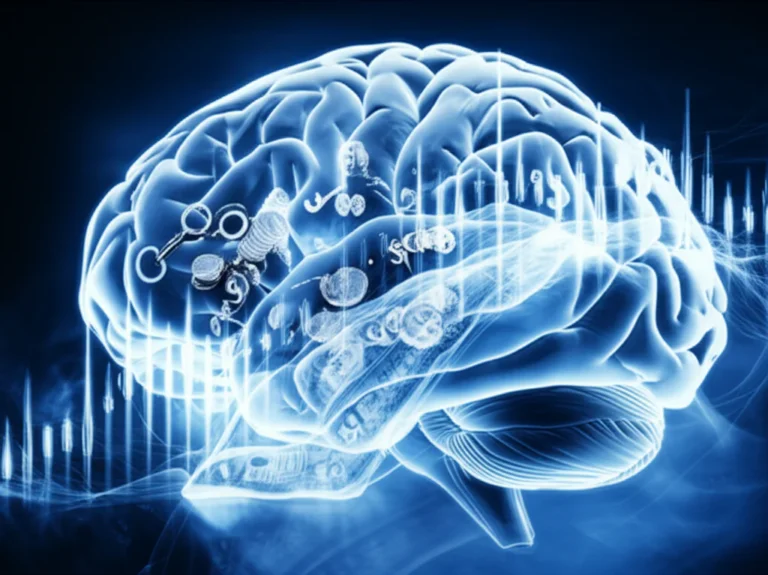
The amygdala, a small almond-shaped structure in the brain, plays a crucial role in processing emotions, particularly fear and anxiety. During REM sleep, the heightened activity in the amygdala might explain why dreams, especially nightmares, can be so emotionally charged.
The Role of Memory and Learning
Dreams are thought to play a role in memory consolidation and emotional processing. Some theories suggest that nightmares might be a way for our brains to process and make sense of negative experiences or emotions.
Neurotransmitters and Dream Content
Neurotransmitters, chemical messengers in the brain, also influence dream content. For example, levels of serotonin and norepinephrine, which regulate mood and sleep, can affect the emotional tone of our dreams.
Psychological Perspectives
From a psychological perspective, dreams, including bad dreams, are often viewed as a window into our subconscious minds. They can reflect our fears, desires, anxieties, and unresolved conflicts.
In a nutshell: While science hasn’t fully unlocked all the mysteries of dreams, it’s clear that they are a complex interplay of biological and psychological processes. Understanding these processes can help us appreciate the valuable insights that even our most unsettling dreams can offer.
7. Cultural Perspectives: How Different Cultures Interpret Bad Signs in Dreams 🌍
Just as languages and customs vary across the globe, so too do interpretations of dreams. What might be considered a bad omen in one culture could be seen as a positive sign in another.
Examples of Cultural Variations:
- Dreaming of Water: In many Western cultures, dreaming of drowning is often interpreted as a symbol of being overwhelmed or emotionally submerged. However, in some Asian cultures, water is associated with wealth and prosperity, so a dream about water might be seen as a positive sign.
- Dreaming of Animals: The interpretation of animal dreams can vary widely depending on cultural beliefs and personal experiences. For example, while snakes are often feared in Western cultures, they are revered in some Eastern cultures as symbols of healing and transformation.
- Dreaming of Death: While dreams about death can be unsettling across cultures, their interpretations can differ significantly. In some cultures, dreaming of a loved one’s death is seen as a warning or a sign of impending misfortune. In other cultures, it might be interpreted as a symbol of transformation or rebirth.
The Importance of Cultural Context
When interpreting dreams, it’s essential to consider the dreamer’s cultural background and personal beliefs. A dream symbol that might seem universally negative could hold a completely different meaning within a specific cultural context.
Embracing Diversity in Dream Interpretation
At Dream and Meaning™, we believe that embracing the diversity of dream interpretations enriches our understanding of these enigmatic nocturnal experiences. By exploring different cultural perspectives, we can gain a more nuanced and insightful understanding of the language of dreams.
8. When Bad Dreams Become a Disorder: Understanding Nightmare Disorder and Its Symptoms 🛌
While occasional nightmares are a normal part of life, for some people, they can become so frequent and distressing that they interfere with daily functioning. This is known as nightmare disorder, a type of sleep disorder characterized by:
Symptoms of Nightmare Disorder:
- Frequent Nightmares: Nightmares occur often, sometimes even nightly, and are often vivid and disturbing.
- Daytime Distress: Nightmares cause significant distress or impairment in waking life, such as anxiety, fear of sleep, or difficulty concentrating.
- Sleep Disruption: Nightmares frequently awaken the individual from sleep, making it difficult to fall back asleep.
- Impaired Functioning: Nightmare disorder can interfere with work, school, relationships, and overall quality of life.
Causes of Nightmare Disorder:
The exact causes of nightmare disorder are not fully understood, but contributing factors can include:
- Stress and Anxiety: High levels of stress, anxiety, or trauma can increase the likelihood of experiencing nightmares.
- Mental Health Conditions: Nightmare disorder is often associated with other mental health conditions, such as post-traumatic stress disorder (PTSD), anxiety disorders, and depression.
- Medications: Certain medications, such as antidepressants and blood pressure medications, can trigger nightmares as a side effect.
- Substance Use: Alcohol and drug use, as well as withdrawal from these substances, can contribute to nightmares.
Seeking Professional Help
If you suspect you might be experiencing nightmare disorder, it’s crucial to seek professional help from a qualified sleep specialist or mental health professional. Treatment options can include:
- Cognitive Behavioral Therapy for Insomnia (CBT-I): This type of therapy helps individuals identify and change negative thoughts and behaviors that contribute to sleep problems.
- Image Rehearsal Therapy (IRT): IRT involves rewriting the nightmare scenario into a more positive or manageable one.
- Medications: In some cases, medications, such as antidepressants or prazosin, might be prescribed to help reduce nightmare frequency and intensity.
Remember: You don’t have to suffer in silence. Effective treatments are available for nightmare disorder, and seeking help is a sign of strength and self-care.
9. Real Stories: How People Have Interpreted and Overcome Their Bad Signs in Dreams 📖
Sometimes, hearing how others have navigated the often-confusing world of dreams can provide comfort, validation, and even inspiration. Here are a few real stories from people who’ve faced their bad signs in dreams head-on:
- Sarah’s Story: Confronting Fear of Failure: Sarah, a graphic designer, kept having recurring dreams about being unprepared for important presentations. After analyzing her dreams and emotions, she realized they stemmed from a deep-seated fear of failure. She decided to address this fear head-on by seeking out a therapist who specialized in performance anxiety. Through therapy and practice, Sarah was able to overcome her fear and deliver stellar presentations, both in her dreams and in her waking life.
- John’s Story: Healing from Past Trauma: John, a veteran, had been plagued by nightmares about his time in combat. The nightmares were so vivid and distressing that they were affecting his sleep, his mood, and his relationships. With the support of a therapist specializing in trauma, John began to process his experiences through therapy and journaling. He also learned relaxation techniques to help him manage his anxiety and improve his sleep. Over time, the nightmares became less frequent and less intense, allowing John to find peace and healing.
- Maria’s Story: Recognizing a Need for Change: Maria, a stay-at-home mom, had been feeling unfulfilled and restless. She started having recurring dreams about being trapped in a cage. At first, she dismissed the dreams as silly, but as they persisted, she began to pay attention. She realized that the cage symbolized her feeling trapped in her current situation. The dreams gave her the courage to make a change. She enrolled in night classes to pursue her passion for writing, which brought her a renewed sense of purpose and joy.
These stories highlight the power of:
- Self-Reflection: Paying attention to your dreams and emotions can reveal valuable insights into your subconscious mind and emotional state.
- Taking Action: Dreams can serve as catalysts for positive change in our waking lives, inspiring us to confront our fears, pursue our passions, or seek help when needed.
- Seeking Support: You don’t have to navigate the world of dreams alone. Therapists, dream analysts, and support groups can provide guidance, support, and a safe space to explore your dreams.
10. Dream Journals and Apps: Tools to Track and Decode Your Bad Signs 📱
In today’s digital age, there’s an app for everything—including deciphering your dreams! Dream journals and apps can be incredibly helpful tools for:
- Recording Your Dreams: The act of writing down your dreams can improve dream recall and help you identify patterns and recurring themes.
- Analyzing Your Dreams: Many dream journals and apps offer prompts and questions to guide your dream analysis, helping you uncover deeper meanings and insights.
- Tracking Your Sleep: Some apps also track your sleep patterns, providing valuable data about your sleep quality and identifying potential sleep disturbances.
Popular Dream Journal Apps:
- Dreamily: This app offers a beautiful and intuitive interface for recording and analyzing your dreams. It includes a dream dictionary, customizable tags, and the ability to track your mood and sleep patterns.
- Lucid Dream Journal: As the name suggests, this app is designed for those interested in lucid dreaming (becoming aware that you’re dreaming while you’re dreaming). It includes reality checks, dream signs tracking, and a built-in community forum.
- Dream Journal Ultimate: This comprehensive app offers a wide range of features, including a dream dictionary, customizable tags, audio recordings, and cloud backup.
Tips for Using Dream Journals and Apps:
- Be Consistent: Try to record your dreams as soon as you wake up, when the details are still fresh in your mind.
- Don’t Censor Yourself: Write down everything you remember, even if it seems strange, nonsensical, or embarrassing.
- Look for Patterns: Over time, you’ll likely start to notice recurring themes, symbols, or emotions in your dreams.
- Use Prompts: If you’re struggling to analyze your dreams, use the prompts and questions provided by the app or journal to guide your reflections.
Remember: Dream journals and apps are tools to support your dream exploration, but ultimately, you are the expert on your own dreams. Trust your instincts and have fun with the process!
Conclusion: Embracing the Shadows—What Bad Signs in Dreams Teach Us 🌙

We’ve journeyed through the fascinating world of bad signs in dreams—from ancient interpretations to modern neuroscience, from cultural perspectives to personal stories. What’s clear is that bad dreams and nightmares are not just random horrors but meaningful messages from your subconscious. They can reflect your fears, anxieties, and unresolved conflicts, but also offer opportunities for growth, healing, and self-awareness.
While bad signs in dreams can sometimes feel like ominous warnings, remember that they are rarely literal predictions. Instead, they are symbolic narratives crafted by your brain to help you process emotions and experiences. By paying attention, journaling, and reflecting, you can transform these unsettling nocturnal episodes into powerful tools for insight and change.
If bad dreams become frequent, distressing, or interfere with your daily life, don’t hesitate to seek professional help. Treatments like cognitive behavioral therapy and image rehearsal therapy have helped many regain peaceful sleep.
At Dream and Meaning™, we encourage you to embrace your dreams—even the scary ones—as part of your unique inner landscape. After all, sometimes the darkest dreams illuminate the brightest truths.
Sweet dreams! 🌟
Recommended Links for Further Dream Exploration 🔗
Ready to dive deeper or find tools to help you on your dream journey? Check out these carefully selected resources:
- Dreamily Dream Journal App: Amazon App Store | Google Play
- Lucid Dream Journal App: Amazon App Store | Google Play
- Dream Journal Ultimate: Amazon App Store | Google Play
- Books on Dream Interpretation:
FAQ: Your Burning Questions About Bad Signs in Dreams Answered ❓

What does it mean when you have a nightmare about someone you know?
Dreams involving people you know often symbolize aspects of your relationship with them or qualities you associate with them. A nightmare about someone familiar might reflect unresolved conflicts, fears, or anxieties related to that person or what they represent in your life. For example, dreaming of a friend betraying you might not mean actual betrayal but could symbolize feelings of vulnerability or mistrust. Always consider the context and your emotions during the dream to better understand its meaning. For more on dream symbols, check out our Dream Symbols Interpretation.
Read more about “Is Dream Interpretation Real? Uncover 19 Hidden Truths! 💤”
Can bad dreams be a sign of mental health issues or stress?
Absolutely. Bad dreams and nightmares are often linked to stress, anxiety, trauma, and other mental health conditions such as depression or PTSD. They can be your mind’s way of processing difficult emotions or experiences. Chronic nightmares, especially when they disrupt sleep and cause daytime distress, may indicate nightmare disorder or other underlying issues. If bad dreams are persistent and impacting your quality of life, consulting a mental health professional is strongly recommended. Learn more about the clinical side in our Dream Psychology section.
How do I stop having bad dreams and improve the quality of my sleep?
Improving sleep hygiene is key! Establish a consistent sleep schedule, create a relaxing bedtime routine, limit screen time before bed, and manage stress through mindfulness or therapy. Avoid heavy meals, caffeine, and alcohol near bedtime. If nightmares persist, techniques like image rehearsal therapy (IRT) or cognitive behavioral therapy (CBT) can be effective. Sometimes, underlying medical or psychological conditions need addressing. For detailed tips, see our section on Tips for Reducing Bad Dreams and Improving Sleep.
What are some common bad signs in dreams and their possible interpretations?
Common bad signs include being chased (fear or avoidance), falling (loss of control), teeth falling out (powerlessness or anxiety), being naked in public (vulnerability), and being unable to speak (frustration or feeling unheard). However, interpretations vary widely based on personal context and cultural background. Our Dream Interpretation category offers in-depth insights into these and many other dream symbols.
How can cultural differences influence the interpretation of bad dreams?
Cultural beliefs deeply shape how dream symbols are understood. For example, snakes might be feared in some cultures but revered in others as symbols of healing. Water might represent danger or prosperity depending on cultural context. Understanding your cultural background can provide richer, more accurate interpretations of your dreams. Explore more in our Cultural Dream Interpretations section.
Read more about “How Cultural Beliefs Shape Dream Interpretation: 10 Surprising Insights 🌙 (2025)”
When should I seek professional help for nightmares?
If nightmares are frequent, cause significant distress, disrupt sleep, or impair daytime functioning, it’s time to consult a healthcare provider. Nightmare disorder is a recognized condition that can be treated effectively with therapy and sometimes medication. Don’t hesitate to seek help—your mental health and sleep quality are worth it. For more, see the Mayo Clinic’s Nightmare Disorder page.
Read more about “What Are Violent Dreams? 12 Shocking Truths You Need to Know ⚡ (2025)”
Reference Links: Trusted Sources and Further Reading 📚
- Mayo Clinic: Nightmare Disorder – Symptoms and Causes
- Dreams.co.uk: Common Nightmares and What They Mean
- Puffy.com: Most Searched Nightmares and What They Mean
- National Sleep Foundation: Nightmares and Sleep Disorders
- American Psychological Association: Understanding Nightmares
Explore more about dream interpretation and psychology at Dream and Meaning™:
Sweet dreams and may your nights be filled with insight and peace! 🌙✨