Support our educational content for free when you buy through links on our site. Learn more
100+ Dreams and Their Meanings: Unlock Your Subconscious in 2025 🌙

Have you ever woken up from a dream so vivid, so strange, that you couldn’t shake the feeling it was trying to tell you something important? You’re not alone! Dreams have fascinated humanity for thousands of years, serving as cryptic messages from our subconscious, emotional barometers, and even creative muses. But what do they really mean?
In this comprehensive guide, we’ll explore over 100 common dreams and their meanings, from flying and falling to animals and nightmares. You’ll discover how to decode dream symbols, understand recurring themes, and even harness the power of lucid dreaming to take control of your nighttime adventures. Plus, we’ll share expert tips on remembering your dreams and using them to boost creativity and emotional well-being. Ready to unlock the secret language of your mind while you sleep? Let’s dive in!
Key Takeaways
- Dreams are universal yet deeply personal, blending biology, psychology, and culture to convey messages from your subconscious.
- Over 100 dream symbols decoded, including animals, emotions, and common scenarios like falling or being chased.
- Lucid dreaming techniques empower you to control your dreams and overcome nightmares.
- Keeping a dream journal dramatically improves dream recall and insight.
- Dreams influence creativity, problem-solving, and mental health in profound ways.
- Explore cultural and spiritual perspectives to enrich your understanding of dream meanings.
👉 Shop Dream Journaling & Lucid Dreaming Tools:
Table of Contents
- ⚡️ Quick Tips and Fascinating Facts About Dreams
- 🧠 The Science and History Behind Dreams and Their Meanings
- 🌙 Understanding the Dreaming Mind: How and Why We Dream
- 🔍 Decoding Dream Symbols: What Your Subconscious Is Trying to Tell You
- 😴 Common Dreams and Their Hidden Meanings
- 🐾 Animals in Dreams: Symbolism and Spiritual Significance
- 👹 Nightmares and What They Reveal About Your Inner Fears
- 🧩 100+ Dream Interpretations: From Flying to Falling and Everything In-Between
- 💭 “What Does My Dream Mean?”: A Step-by-Step Guide to Personal Dream Analysis
- 🛌 Lucid Dreaming and How to Control Your Dream World
- 🌐 Cultural Perspectives: How Different Cultures Interpret Dreams
- 🧙♂️ Spiritual and Mystical Interpretations of Dreams
- 📱 Best Apps and Tools for Dream Journaling and Interpretation
- 🔮 Latest Research and Trends in Dream Interpretation
- 🎯 Practical Tips for Remembering and Analyzing Your Dreams
- 🧩 How Dreams Influence Creativity, Problem Solving, and Mental Health
- 📚 Recommended Books and Resources on Dream Interpretation
- ✅ Conclusion: Unlocking the Power of Your Dreams
- 🔗 Recommended Links for Further Dream Exploration
- ❓ Frequently Asked Questions About Dreams and Their Meanings
- 📑 Reference Links and Credible Sources
⚡️ Quick Tips and Fascinating Facts About Dreams
Welcome to the mysterious world of dreams! At Dream and Meaning™, we’ve spent countless nights unraveling the secrets your subconscious whispers while you snooze. Here are some quick, mind-blowing facts to kickstart your journey:
- Everyone dreams — yes, even if you don’t remember them! Most people dream 4-6 times per night during REM sleep, but forget over 95% of these nocturnal adventures. Source: National Sleep Foundation
- Dreams are mostly visual, but can also involve sounds, smells, and emotions.
- Stress and mood heavily influence dream content — so if you’re anxious, expect some wild rides.
- Nightmares serve a purpose: they help process negative emotions and can prompt personal growth.
- Lucid dreaming (being aware you’re dreaming) happens to about 50% of people at least once.
- Animals, colors, numbers, and even shapes in dreams are symbols your brain uses to communicate deeper messages.
- Dream recall improves with practice — keeping a dream journal is a game-changer.
- Dreams can be culturally influenced, but many symbols are universal across time and geography.
Curious how a dream about flying or falling might relate to your waking life? Or why you keep dreaming about a snake or a lost wallet? Stick with us — we’ll decode these and more!
For a deep dive into symbolic meanings, check out our detailed Biblical Dream Interpretation A to Z: 26 Divine Symbols Decoded (2025) ✨.
🧠 The Science and History Behind Dreams and Their Meanings

Dreams have fascinated humans for millennia — from ancient shamans to modern neuroscientists. Let’s explore the scientific and historical tapestry woven around dreams.
The Ancient Roots of Dream Interpretation
- Civilizations like the Babylonians, Egyptians, and Greeks believed dreams were messages from gods or the spirit world.
- The Epic of Gilgamesh (circa 2100 BC) contains some of the earliest recorded dream narratives.
- In the Bible, dreams often serve as divine guidance — a tradition still studied in Biblical Dream Interpretation.
Modern Science Meets Dreams
- Sigmund Freud famously called dreams the “royal road to the unconscious,” interpreting them as wish fulfillments and repressed desires.
- Carl Jung introduced the idea of universal archetypes and the collective unconscious expressed through dream symbols.
- Today, neuroscience shows dreams occur mainly during REM sleep, when the brain is highly active.
- Theories about why we dream include memory consolidation, emotional processing, and problem-solving.
- Some researchers argue dreams have no purpose, while others see them as essential for mental and emotional health. Source: Harvard Medical School
Fun Fact Table: Dream Theories Overview
| Theory | Key Idea | Notable Proponent | Current Status |
|---|---|---|---|
| Psychoanalytic | Dreams reveal unconscious desires | Sigmund Freud | Influential, debated |
| Archetypal/Collective Unconscious | Universal symbols in dreams | Carl Jung | Widely respected |
| Activation-Synthesis | Brain tries to make sense of random signals | Allan Hobson | Supported by neuroscience |
| Memory Consolidation | Dreams help process memories | Various | Growing evidence |
| Emotional Regulation | Dreams process emotions | Various | Supported by studies |
Dreams are a blend of biology, psychology, and culture, making them endlessly fascinating and complex.
🌙 Understanding the Dreaming Mind: How and Why We Dream
Ever wonder what’s going on inside your head when you dream? Here’s the scoop from our dream analysts:
The Sleep Cycle and Dreaming
- Dreams mostly happen during REM (Rapid Eye Movement) sleep, which recurs in cycles throughout the night.
- Each REM phase lasts longer as the night progresses — meaning your later dreams tend to be longer and more vivid.
- Your brain activity during REM resembles wakefulness, but your muscles are paralyzed (to prevent acting out dreams).
Why Do We Dream? Theories Explored
- Emotional Processing: Dreams help us work through feelings and trauma.
- Problem Solving: Some dreams present creative solutions — like the famous chemist Kekulé dreaming of a snake biting its tail, leading to the benzene ring structure.
- Memory Consolidation: Dreams may help sort and store memories.
- Random Activation: The brain randomly fires neurons, and dreams are the brain’s attempt to make sense of this noise.
Dream Characteristics
- Dreams can be bizarre or logical.
- They often mix past experiences, fears, hopes, and random images.
- You can sometimes influence dreams through lucid dreaming techniques.
Want to learn how to harness this power? Our section on Lucid Dreaming and How to Control Your Dream World has you covered.
🔍 Decoding Dream Symbols: What Your Subconscious Is Trying to Tell You
Symbols are the language of dreams. They’re like emojis for your subconscious, packed with meaning and nuance. But beware — the same symbol can mean different things depending on context and personal experience.
How to Interpret Dream Symbols
- Context is king: A snake in a jungle dream might mean danger; in a garden, transformation.
- Personal associations: Your feelings about the symbol matter. Do you love or fear spiders?
- Cultural influences: Some symbols have universal meanings, others are culture-specific.
- Common archetypes: Water often symbolizes emotions; flying can mean freedom or escape.
Popular Dream Symbols and Their Meanings
| Symbol | Possible Meanings | Notes |
|---|---|---|
| Water | Emotions, subconscious, cleansing | Calm water = peace; turbulent = turmoil |
| Snake | Transformation, danger, healing | Often linked to fear or renewal |
| Flying | Freedom, ambition, escape | Can also indicate desire to rise above |
| Teeth Falling | Anxiety, loss, change | Common in stress or transition phases |
| House | Self, mind, life stages | Different rooms = different aspects |
For a treasure trove of symbols, visit our Dream Symbols Interpretation category.
Anecdote: The Dream of the Phoenix
One of our team members dreamed of a phoenix rising from ashes after a tough breakup. This symbolized rebirth and new beginnings, which helped her embrace change with courage.
😴 Common Dreams and Their Hidden Meanings
Ever had a dream that felt like a rerun? You’re not alone! Some dreams are so common, they’ve become almost universal.
10 Most Common Dreams and What They Mean
- Falling — Feeling out of control or overwhelmed.
- Being Chased — Avoiding a problem or fear.
- Flying — Desire for freedom or escape.
- Teeth Falling Out — Anxiety about appearance or loss.
- Being Naked in Public — Fear of exposure or vulnerability.
- Taking a Test — Feeling unprepared or judged.
- Losing Something Valuable — Fear of loss or insecurity.
- Being Late — Anxiety about missing opportunities.
- Death — Endings and new beginnings, not necessarily literal.
- Meeting a Celebrity — Desire for recognition or admiration.
Why These Dreams Keep Coming Back
Recurring dreams often highlight unresolved issues or persistent emotions. They’re your mind’s way of saying, “Hey, pay attention here!”
Real Story: The Falling Dream
One of our readers shared a recurring falling dream that stopped after she changed jobs. The dream reflected her fear of instability, which resolved once she felt secure.
Explore more about these in our Dream Interpretation section.
🐾 Animals in Dreams: Symbolism and Spiritual Significance
Animals are powerful dream symbols, often representing instincts, traits, or messages from your subconscious.
What Animals Commonly Represent
| Animal | Symbolism & Meaning | Example Dream Meaning |
|---|---|---|
| Cat | Independence, mystery, femininity | Dreaming of a cat may signal self-reliance or hidden emotions. |
| Dog | Loyalty, protection, friendship | Seeing a dog can mean trust or companionship. |
| Snake | Transformation, danger, healing | Often linked to fear or renewal. |
| Hawk | Vision, focus, power | Dreaming of a hawk may suggest clarity or ambition. |
| Wolf | Instinct, freedom, social connection | Can represent your wild side or group dynamics. |
Spiritual Perspectives
In many cultures, animals in dreams are spirit guides or totems, offering wisdom or warnings.
Personal Story: The Hawk Dream
A client dreamt of a hawk soaring high before making a tough decision. This symbolized gaining perspective and helped her approach the challenge with confidence.
For a deeper dive, visit our Dream Symbols category.
👹 Nightmares and What They Reveal About Your Inner Fears
Nightmares aren’t just bad dreams — they’re emotional alarms signaling distress or unresolved trauma.
Common Causes of Nightmares
- Stress or anxiety
- Trauma or PTSD
- Sleep disorders (e.g., nightmare disorder)
- Medication side effects
- Watching scary content before bed
What Nightmares Might Mean
- Fear of loss or failure
- Feeling threatened or powerless
- Processing grief or trauma
How to Cope with Nightmares
- Maintain a calming bedtime routine
- Avoid stimulants and scary media before sleep
- Practice relaxation or mindfulness techniques
- Consider professional help if nightmares are frequent or severe
Nightmare vs. Night Terror
- Nightmares occur during REM sleep and are often remembered.
- Night terrors happen during non-REM sleep, mostly in children, and are usually not recalled.
For more on nightmares and their meanings, see our Dream Psychology articles.
🧩 100+ Dream Interpretations: From Flying to Falling and Everything In-Between
Ready for the ultimate dream dictionary? We’ve compiled over 100 common dream themes and symbols with expert interpretations to help you decode your nightly stories.
Sample Dream Interpretations Table
| Dream Theme | Meaning Summary | Psychological Insight |
|---|---|---|
| Flying | Freedom, aspiration, escape | Desire to rise above problems |
| Falling | Loss of control, insecurity | Anxiety or fear of failure |
| Being Chased | Avoidance of issues, stress | Running from something in waking life |
| Teeth Falling Out | Anxiety about appearance or change | Fear of aging or loss |
| Water (Calm) | Emotional peace | Inner tranquility |
| Water (Stormy) | Emotional turmoil | Stress or conflict |
| Death | Transformation, endings, new beginnings | Psychological rebirth |
| Being Naked in Public | Vulnerability, shame | Fear of exposure or judgment |
| Taking an Exam | Self-evaluation, pressure | Feeling tested or judged |
| Lost or Trapped | Feeling stuck or uncertain | Need for direction or freedom |
This is just a taste! Our full list is packed with detailed insights and tips for personalizing interpretations.
💭 “What Does My Dream Mean?”: A Step-by-Step Guide to Personal Dream Analysis
Dream interpretation can feel like decoding an ancient script — but it’s easier than you think! Here’s our step-by-step guide to unlocking your dream’s meaning:
Step 1: Record Your Dream Immediately
- Keep a dream journal by your bed.
- Write down every detail — colors, emotions, people, places.
Step 2: Identify Key Symbols and Themes
- Look for standout images or feelings.
- Use resources like our Dream Symbols Interpretation to explore meanings.
Step 3: Reflect on Your Current Life Context
- How do the symbols relate to your waking life?
- Are you facing stress, change, or decisions?
Step 4: Consider Your Emotions in the Dream
- Were you scared, happy, confused?
- Emotions often reveal the core message.
Step 5: Explore Multiple Meanings
- Remember, symbols can have more than one interpretation.
- Trust your intuition — what feels right?
Step 6: Look for Patterns
- Are certain dreams or symbols recurring?
- Recurring dreams often highlight important issues.
Step 7: Apply Insights to Your Life
- Use your dream’s message to guide decisions or self-reflection.
- Sometimes, dreams offer solutions or warnings.
Pro Tip: Share Your Dreams
Discussing dreams with friends, therapists, or dream groups can reveal fresh perspectives.
🛌 Lucid Dreaming and How to Control Your Dream World
Imagine being the director of your own dream movie — that’s lucid dreaming! Here’s how to join the club.
What Is Lucid Dreaming?
- Being aware that you’re dreaming while still in the dream.
- Some people can control their dreams, changing the plot or environment.
Benefits of Lucid Dreaming
- Overcome nightmares by confronting fears.
- Practice skills or creativity.
- Experience adventures impossible in waking life.
How to Start Lucid Dreaming
- Dream Recall: Keep a journal to remember dreams better.
- Reality Checks: Regularly ask yourself, “Am I dreaming?” during the day.
- Mnemonic Induction: Before sleep, repeat a phrase like “I will realize I’m dreaming.”
- Wake-Back-to-Bed: Wake up after 5-6 hours, stay awake briefly, then return to sleep with intention.
- Meditation and Mindfulness: Improve self-awareness.
Tools and Apps for Lucid Dreaming
- Awoken (Android): Reality checks and dream journal.
- Lucidity (iOS): Guided techniques and reminders.
- Dream Journal Ultimate: For detailed dream tracking.
👉 CHECK PRICE on:
Lucid dreaming is a skill — with practice, you can unlock a whole new dimension of your mind!
🌐 Cultural Perspectives: How Different Cultures Interpret Dreams
Dreams are universal, but their meanings vary widely across cultures. Here’s a whirlwind tour:
Western Traditions
- Freud and Jung shaped modern Western dream interpretation.
- Dreams often seen as psychological messages or reflections of the unconscious.
Indigenous Cultures
- Many Native American tribes view dreams as spiritual journeys or messages from ancestors.
- Animals in dreams often act as spirit guides.
Eastern Philosophies
- In Chinese culture, dreams can predict the future or reveal health issues.
- Hinduism sees dreams as portals to other realms or past lives.
African Traditions
- Dreams may be interpreted by elders or shamans.
- Seen as communication with spirits or ancestors.
Middle Eastern Views
- Dreams hold religious significance; Prophet Muhammad’s dreams are studied for guidance.
- Dream interpretation is a respected art.
Why It Matters
Understanding cultural context enriches your dream interpretation and connects you to a global human experience.
🧙♂️ Spiritual and Mystical Interpretations of Dreams
Beyond psychology, many see dreams as windows to the soul or other dimensions.
Dreams as Divine Messages
- Prophetic dreams foretell future events.
- Some believe dreams are visits from spirits or angels.
Common Spiritual Symbols
- Light often symbolizes enlightenment.
- Water can represent purification.
- Animals may be totems or guides.
Personal Transformation
- Dreams can signal spiritual growth or awakening.
- Recurring spiritual dreams often coincide with life transitions.
Anecdote: The Healing Dream
A client dreamed of a glowing tree that healed her wounds — a symbol of renewal and hope that inspired real-life healing.
Explore more in our Dream Interpretation archives.
📱 Best Apps and Tools for Dream Journaling and Interpretation
Ready to take your dream work digital? Here are some top-rated tools recommended by our analysts:
| App Name | Features | Platforms | Best For |
|---|---|---|---|
| Dream Journal Ultimate | Voice recording, tagging, cloud sync | iOS, Android | Detailed journaling |
| Awoken | Reality checks, lucid dreaming tools | Android | Lucid dream beginners |
| Lucidity | Guided lucid dreaming techniques | iOS | Lucid dream training |
| Shadow | Dream analysis, community sharing | iOS, Android | Interpretation & sharing |
| Dreamboard | Visual dream tracking, statistics | iOS | Pattern recognition |
Tips for Using Apps Effectively
- Record dreams immediately upon waking.
- Use tags to identify recurring themes.
- Review your dream history monthly for insights.
👉 Shop Dream Journaling Apps on:
🔮 Latest Research and Trends in Dream Interpretation
Dream science is evolving fast! Here are some exciting developments:
Neuroscience Advances
- Brain imaging shows specific areas activate during REM dreams, linked to emotion and memory.
- Studies suggest dreams help with emotional regulation and trauma recovery.
AI and Dream Analysis
- Researchers are experimenting with AI to analyze dream journals for patterns.
- Could personalized dream interpretations be automated soon?
Dream Sharing and Social Media
- Online dream communities are booming, offering collective insight and support.
- Platforms like Reddit’s r/DreamInterpretation have thousands of active users.
Mental Health Applications
- Therapists increasingly use dream analysis to uncover hidden issues.
- Lucid dreaming techniques are explored for PTSD and nightmare treatment.
Trending Topics
- Dream incubation: Intentionally influencing dream content.
- Sleep paralysis: Understanding the terrifying waking-dream state.
- Cross-cultural dream studies: Comparing dream themes worldwide.
For the latest studies, visit Dream Science.
🎯 Practical Tips for Remembering and Analyzing Your Dreams
Want to become a dream detective? Here are our top tips:
- Keep a journal by your bed and write immediately upon waking.
- Use pen and paper — studies show handwriting improves memory.
- Set an intention before sleep: “I will remember my dreams.”
- Avoid caffeine and alcohol before bed.
- Practice mindfulness and meditation to enhance dream awareness.
- Share your dreams with friends or therapists.
- Review your dream journal regularly to spot patterns.
- Use dream dictionaries as guides, but trust your personal feelings most.
🧩 How Dreams Influence Creativity, Problem Solving, and Mental Health
Dreams aren’t just random images — they’re powerful tools for your waking life.
Creativity Boost
- Many artists, writers, and inventors credit dreams for inspiration.
- Examples: Salvador Dalí’s surreal paintings, Mary Shelley’s Frankenstein idea, and Paul McCartney’s “Yesterday” melody.
Problem Solving
- Dreams can provide novel solutions by bypassing conscious logic.
- The chemist Kekulé’s dream of a snake biting its tail led to the benzene ring discovery.
Mental Health Benefits
- Dreams help process emotions and trauma.
- Lucid dreaming can reduce nightmare frequency.
- Dream analysis supports self-awareness and emotional growth.
Caution
- Overanalyzing can cause anxiety.
- If dreams disrupt sleep or cause distress, seek professional help.
📚 Recommended Books and Resources on Dream Interpretation
Ready to dive deeper? Here are some classics and modern gems:
| Title | Author | Why Read It? |
|---|---|---|
| The Interpretation of Dreams | Sigmund Freud | Foundational psychoanalytic text |
| Man and His Symbols | Carl Jung | Accessible intro to archetypes |
| Dreams: A Portal to the Source | Edward C. Whitmont | Spiritual and psychological blend |
| Lucid Dreaming: Gateway to the Inner Self | Robert Waggoner | Practical lucid dreaming guide |
| The Dream Dictionary | Tony Crisp | Comprehensive symbol guide |
| Inner Work: Using Dreams and Active Imagination | Robert A. Johnson | Techniques for personal growth |
Explore more in our Recommended Links section.
Next up: Unlock the secrets in our Conclusion and explore trusted resources to keep your dream journey thriving!
✅ Conclusion: Unlocking the Power of Your Dreams
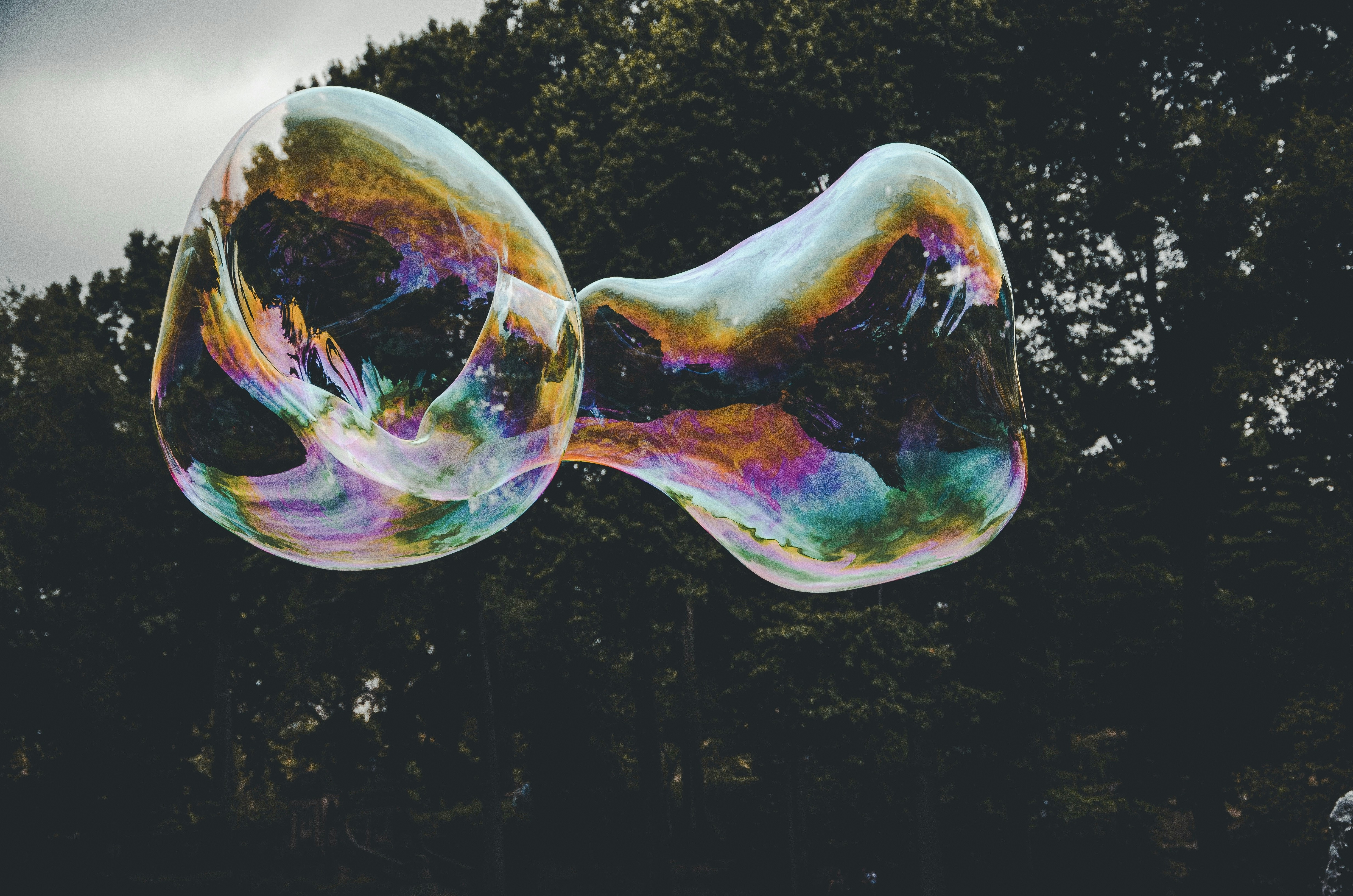
Wow, what a journey through the fascinating realm of dreams and their meanings! From the ancient wisdom of dream interpretation to the cutting-edge neuroscience of REM sleep, we’ve uncovered how dreams serve as a bridge between your subconscious and waking life. Whether you’re decoding symbols like flying, falling, or animals, or learning to master lucid dreaming, your dreams hold invaluable insights and creative power.
Remember those nagging recurring dreams or cryptic symbols you’ve been puzzling over? Now you know they’re often your mind’s way of spotlighting unresolved emotions or life challenges. By keeping a dream journal, reflecting on your feelings, and using trusted interpretation tools, you can transform your dreams from mysterious puzzles into personal guides.
If you’ve ever wondered whether your dreams are just random images or meaningful messages, the answer is clear: they are both, and that duality is what makes them so rich and rewarding to explore.
So, what’s next? Start recording your dreams tonight, experiment with lucid dreaming, and dive into the symbolic language your mind speaks while you sleep. Your dream world is waiting — are you ready to unlock its secrets?
🔗 Recommended Links for Further Dream Exploration
Ready to deepen your dream journey? Check out these trusted tools and books loved by our Dream and Meaning™ team:
-
Dream Journal Ultimate (App):
Amazon App Store | Google Play -
Awoken Lucid Dreaming App:
Amazon App Store -
Lucidity Lucid Dreaming App:
Apple App Store -
The Interpretation of Dreams by Sigmund Freud:
Amazon -
Man and His Symbols by Carl Jung:
Amazon -
Lucid Dreaming: Gateway to the Inner Self by Robert Waggoner:
Amazon -
The Dream Dictionary by Tony Crisp:
Amazon -
66 Dreams and Their Meanings – Miz Mzwakhe Tancredi:
Facebook Post
❓ Frequently Asked Questions About Dreams and Their Meanings
What do recurring dreams mean and how can I stop having them?
Recurring dreams often signal unresolved issues or persistent emotions that your subconscious wants you to address. They might reflect anxiety, trauma, or ongoing conflicts in your waking life. For example, a recurring dream about being chased could indicate avoidance of a stressful situation.
How to stop recurring dreams?
- Identify the underlying cause: Reflect on what the dream might symbolize in your life.
- Dream journaling: Writing down the dream and your feelings can help you process it.
- Lucid dreaming: Learning to become aware in the dream can allow you to change its course.
- Therapy: If the dreams are distressing or linked to trauma, professional help can be invaluable.
By facing the root issues consciously, you reduce the subconscious need to replay the dream.
How do I interpret my dreams to understand their hidden messages?
Interpreting dreams is a personal and layered process. Here’s how to approach it:
- Record details immediately: Emotions, symbols, colors, and people.
- Contextualize: Relate symbols to your current life circumstances.
- Use trusted resources: Dream dictionaries and psychological theories (like Jungian archetypes) offer guidance but don’t dictate meaning.
- Trust your intuition: Your personal associations with symbols matter most.
- Look for patterns: Recurring themes often highlight important messages.
- Reflect on emotions: Dreams often communicate via feelings rather than literal images.
Remember, dream interpretation is not a one-size-fits-all — it’s a dialogue between your conscious and unconscious mind.
What are the most common dream symbols and their meanings in psychology?
Some symbols appear frequently across cultures and individuals, often tied to universal human experiences:
- Flying: Freedom, ambition, or escaping problems.
- Falling: Loss of control, insecurity, or fear of failure.
- Teeth falling out: Anxiety about appearance, aging, or loss.
- Being chased: Avoidance of issues or stress.
- Water: Emotions and the subconscious; calm water means peace, turbulent water means turmoil.
- Death: Transformation or endings, rarely literal death.
Psychologists like Carl Jung view many symbols as archetypes — universal motifs representing aspects of the human psyche. However, always consider your personal context.
Can dreams be a reflection of my subconscious mind and unresolved emotions?
Absolutely! Dreams are often described as the “royal road to the unconscious” (Freud) because they reveal hidden desires, fears, and conflicts. They provide a safe space for your mind to process emotions that may be difficult to face when awake.
For example, nightmares may surface unresolved trauma, while pleasant dreams can reflect hopes or healing. By paying attention to your dreams, you gain insight into your inner world and emotional state, which can promote healing and self-awareness.
How can I improve my dream recall and remember more dreams?
Improving dream recall is a skill anyone can develop:
- Keep a dream journal by your bed and write down dreams immediately upon waking.
- Avoid abrupt awakenings; try to wake naturally or gently.
- Set a clear intention before sleep to remember your dreams.
- Practice mindfulness and relaxation to enhance awareness.
- Review your dream journal regularly to reinforce memory.
Are lucid dreams safe, and how can they help with nightmares?
Lucid dreaming is generally safe and can be a powerful tool to reduce nightmare frequency by allowing you to recognize and alter the dream’s course. It also fosters creativity and self-exploration.
However, some people may experience sleep disturbances or confusion, so it’s best to approach lucid dreaming with patience and practice.
📑 Reference Links and Credible Sources
-
National Sleep Foundation – Why Do We Dream?
https://www.sleepfoundation.org/how-sleep-works/why-do-we-dream -
Harvard Medical School – The Benefits of Sleep and Dreams
https://healthysleep.med.harvard.edu/healthy/matters/benefits-of-sleep/dreams -
Dream Dictionary.org – Free Online Dream Analysis and A to Z Dictionary
https://www.dreamdictionary.org/ -
Healthline – Types of Dreams and What They Mean
https://www.healthline.com/health/types-of-dreams -
Dream and Meaning™ Categories:
Dream Interpretation | Dream Symbols Interpretation | Dream Psychology | Dream Symbols | Dream Science -
66 Dreams and Their Meanings – Miz Mzwakhe Tancredi (Facebook)
https://www.facebook.com/Mizmzwakhetancredi/posts/66-dreams-and-their-meanings-miz-mzwakhe-tancredi/1143000103857380/
Thank you for joining us on this dream decoding adventure! Sweet dreams and insightful awakenings await. 🌙✨