Support our educational content for free when you buy through links on our site. Learn more
What 15 Certain Dreams Are Telling You in 2025 🌙

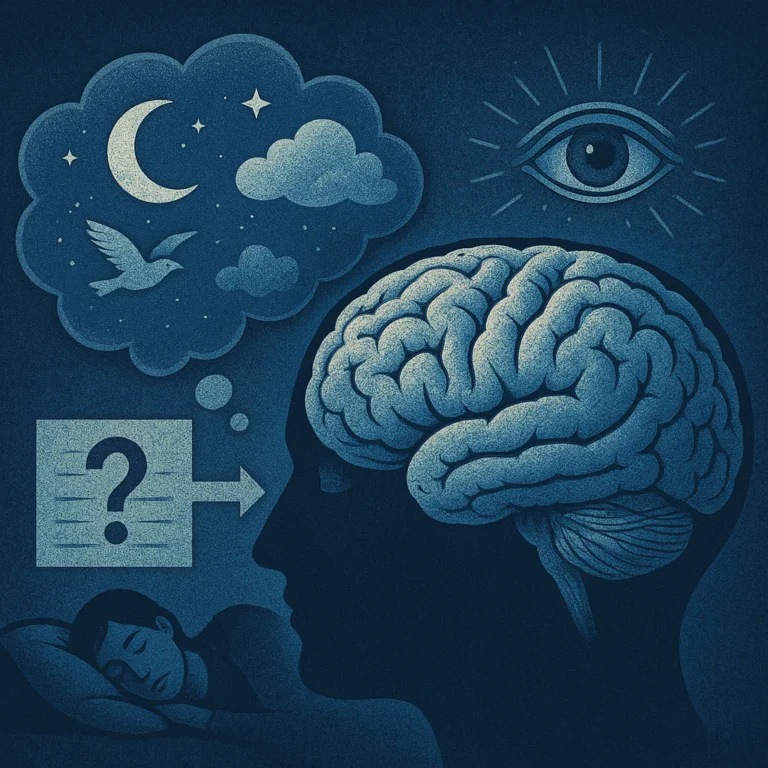
Have you ever jolted awake from a dream about falling, flying, or losing your teeth, wondering what on earth your subconscious was trying to say? You’re not alone! Dreams are like secret messages from your inner mind—sometimes puzzling, sometimes vivid, always intriguing. In this article, we unravel 15 of the most common dream scenarios and decode their hidden meanings, backed by expert insights from the Dream and Meaning™ team. From the anxiety behind being chased to the symbolism of water and animals, we’ll guide you through what your dreams might really be telling you—and how to use that knowledge to better understand yourself.
But wait, there’s more! We’ll also explore the fascinating history of dream interpretation, the science behind why we dream, and practical tips to remember and analyze your dreams like a pro. Curious about recurring nightmares or how to harness lucid dreaming? We’ve got you covered. Ready to become your own dream detective? Let’s dive in!
Key Takeaways
- Dreams are powerful subconscious messages reflecting your emotions, fears, and desires.
- 15 common dream themes—including falling, flying, pregnancy, and infidelity—carry rich symbolic meanings that can guide personal insight.
- Dream journaling and intention-setting are proven methods to improve dream recall and interpretation.
- Recurring dreams signal unresolved issues that your mind wants you to address.
- Scientific research links REM sleep with emotional processing, making dreams a form of overnight therapy.
- For better sleep and dream recall, consider sleep trackers like the Fitbit Charge 6 and quality journals such as Moleskine notebooks.
Unlock the secrets of your dreams and start decoding your inner world tonight!
Table of Contents
- ⚡️ Quick Tips and Facts: Unlocking Your Nightly Narratives
- 🕰️ The Ancient Art of Oneirology: A Journey Through Dream Interpretation History
- Decoding Your Nightly Messages: 15 Common Dream Scenarios & Their Hidden Meanings
- 🔄 Recurring Dreams: Why Your Mind Keeps Hitting Replay
- 🌌 The Kaleidoscope of Consciousness: Understanding the 5 Common Types of Dreams
- 🤔 Do Our Dreams Really Mean Anything? The Great Debate
- ✍️ Your Nightly Notebook: Practical Tips for Remembering Your Dreams
- 🔍 Decoding Your Dream Language: Practical Approaches to Self-Interpretation
- 🧠 The Science Behind Our Slumber Stories: What Happens When We Dream?
- 📖 Dream Journaling: Your Personal Compass to Unlocking Nighttime Narratives
- 🤝 When to Seek Professional Dream Guidance: Beyond the Bedroom
- ✨ Conclusion: Embracing Your Inner Dream Weaver
- 🔗 Recommended Links: Dive Deeper into Dreamland
- ❓ FAQ: Your Most Pressing Dream Questions Answered
- 📚 Reference Links: Our Trusted Sources for Dream Wisdom
Body
Welcome, dreamers! Ever woken up in a cold sweat, heart pounding, with the ghost of a bizarre dream clinging to you like a shadow? Or perhaps you’ve soared through the clouds, feeling utterly free, only to open your eyes to your very-grounded bedroom ceiling. Here at “Dream and Meaning™”, we’re a team of seasoned dream analysts and interpreters, and trust us, we’ve heard it all. We believe your dreams aren’t just random brain firings; they’re a rich, symbolic language—a nightly message from your subconscious.
So, what are your dreams trying to tell you? Let’s pull back the curtain and decode these nightly narratives together. We’ll explore everything from the history of dream interpretation to the nitty-gritty of what that dream about your teeth falling out really means. Ready to become fluent in the language of your inner world? Let’s dive in!
⚡️ Quick Tips and Facts: Unlocking Your Nightly Narratives
Before we get into the deep stuff, here are some fascinating tidbits and quick advice to whet your appetite for all things dreamy.
- You’re Not Alone: Dreams about falling, being chased, or losing teeth are incredibly common. In fact, one study found that about 18% of people have experienced a falling dream.
- Emotional Barometer: Dreams often reflect your waking life concerns and emotional state. Think of them as a nightly weather report for your psyche.
- REM Sleep is Key: The most vivid, story-like dreams happen during the Rapid Eye Movement (REM) stage of sleep. This is when your brain is highly active, processing emotions and consolidating memories.
- Not Just Gibberish: While some dreams are just the brain consolidating information, many psychologists, from Freud to modern therapists, believe they hold significant meaning about our desires, fears, and unresolved issues.
- Dream Journaling Works: Want to remember your dreams? The single most effective method is to write them down the moment you wake up. This trains your brain to see dreams as important information worth retaining.
- Did you know? Over 95% of people report having had an erotic dream at some point. It’s a normal part of how our minds process relationships, desires, and even creative energy.
🕰️ The Ancient Art of Oneirology: A Journey Through Dream Interpretation History
Humans have been fascinated by dreams for millennia. It’s not just a modern obsession! Our journey into understanding dreams is as old as civilization itself.
- Ancient Civilizations: In ancient Egypt and Greece, dreams were considered divine messages—prophecies from the gods or warnings of impending doom. Dream interpreters were revered figures, holding positions of power in royal courts.
- The Freudian Revolution: Fast forward to the late 19th century, and along came Sigmund Freud, who famously called dreams the “royal road to the unconscious.” He proposed that our dreams are a form of wish fulfillment, revealing our deepest, often repressed, desires (many of which, in his view, were sexual). While many of his specific theories have been debated, he revolutionized the field by suggesting dreams come from within us, not from an external divine source.
- Jung’s Collective Unconscious: Freud’s student, Carl Jung, took a different path. He agreed that dreams were personal but also believed they tapped into a “collective unconscious”—a shared pool of ancestral memories and archetypes. For Jung, an animal in a dream wasn’t just a random symbol; it could represent a universal archetype like the “trickster” or the “wise old man.” He emphasized that a dream’s meaning is deeply personal and best understood by the dreamer themselves, with guidance.
- Modern Science: Today, Dream Science uses tools like EEG and fMRI to see what our brains are doing while we sleep. We now know that dreaming, especially during REM sleep, plays a crucial role in emotional regulation and memory consolidation. It’s like our brain’s own nightly therapy session, helping us process the day’s events and “take the painful sting out of difficult… emotional episodes.”
Decoding Your Nightly Messages: 15 Common Dream Scenarios & Their Hidden Meanings
Alright, let’s get to the main event! You’ve had a weird dream, and you’re dying to know what it means. While every dream is unique, certain themes pop up again and again. Here’s our expert take on 15 of the most common dreams and what they might be telling you. For a deeper dive, check out our comprehensive guide to the 27 Types of Dreams (2025) & Their Secret Meanings 🌙.
1. 🏃♀️ Dreams About Being Chased: Are You Running from Reality?
This is one of the most common anxiety dreams. That heart-pounding feeling of being pursued often suggests you’re avoiding something in your waking life. It could be a looming deadline, a difficult conversation, or an uncomfortable emotion like anger or fear.
- Who’s the Chaser? Identifying your pursuer is a huge clue!
- An Unknown Figure: This could represent a past trauma or an aspect of yourself you’re not ready to face.
- An Animal: This often points to primal emotions you might be suppressing, like passion or anger.
- Police/Authority Figure: This can reflect feelings of guilt or fear of being “found out” for something.
The key takeaway? Your subconscious is telling you that running away isn’t solving the problem; it might be time to turn around and face what’s chasing you.
2. سقوط Dreams About Falling: Losing Control or Letting Go?
That stomach-lurching sensation of falling is a classic. It almost always points to feelings of insecurity, instability, or a lack of control in some area of your life. Maybe you’re feeling overwhelmed at work, insecure in a relationship, or anxious about a major life change.
- The Context Matters:
- Falling from a building: This can represent a project or structure in your life (like a career) that you feel is failing or that you’re ready to move on from.
- Falling through the floor: This might suggest a sudden change has left you feeling unsafe or without support.
- The Feeling: Interestingly, how you feel during the fall is important. If you’re terrified, it points to anxiety. But if you feel calm or even exhilarated, it could mean you’re ready to let go and embrace change.
3. 🙈 Dreams About Being Naked: Vulnerability or Authenticity?
Ah, the classic “naked in public” dream. It’s the stuff of social anxiety nightmares! Unsurprisingly, this dream often relates to feelings of vulnerability, shame, and fear of exposure or judgment. You might be worried about revealing your imperfections or feel like you’re hiding something.
- Two Sides of the Coin:
- ✅ Fear of Exposure: If you feel panicked and ashamed in the dream, you’re likely feeling judged or have a fear of your “true self” being seen by others. This is especially true if you find yourself naked at work or school.
- ❌ Embracing Authenticity: However, if you’re strutting your stuff without a care in the world, your subconscious could be giving you a high-five for embracing your authentic self! It can be a powerful symbol of freedom and self-acceptance.
4. ✈️ Dreams About Flying: Soaring High or Escaping Gravity?
Who doesn’t love a good flying dream? These are often exhilarating and can represent feelings of freedom, liberation, and power. You might feel on top of the world, in control of your life, and independent.
However, like all dreams, the meaning can shift. If the flight feels out of control or scary, it might indicate a desire to escape from the pressures of reality. The dream analyst Tony Crisp noted that flying can also connect to our sexuality, representing a freedom from social norms and restraints.
5. 🦷 Dreams About Teeth Falling Out: Grinding Anxiety or Grasping Change?
This is a deeply unsettling and surprisingly common dream. The interpretations are varied, but they often circle back to anxiety and loss.
- Common Interpretations:
- Stress and Anxiety: This is a big one. The dream can be a direct manifestation of stress in your life.
- Communication Worries: You might be worried about your appearance or have said something you regret.
- Loss of Control: Losing teeth can symbolize a loss of power or control over a situation in your life.
- Major Life Changes: Like death dreams, this can symbolize a period of transition or transformation, which can be stressful even if it’s positive.
- Personal Loss: Many believe this dream can symbolize a recent, significant loss, like a job or relationship.
As dream analyst Penney Peirce puts it, “If your teeth fall out, you lose personal power and your ability to be assertive, decisive, and self-protective.”
6. 💀 Dreams About Death and Dying: Endings, Beginnings, or Transformations?
While scary, dreaming about death rarely predicts an actual death. Instead, it’s almost always symbolic. Death in a dream typically represents the end of something to make way for the beginning of something new.
Think of it as a metaphor for change or transformation. You might be ending a job, a relationship, or an old habit. As dream expert Lauri Loewenberg states, “Like death, change can be scary because…we do not know what is ‘on the other side’ of the change.” It’s your mind’s way of processing a major life transition.
7. 📝 Dreams About Taking a Test: Performance Pressure or Self-Evaluation?
Even decades after leaving school, many of us still have this dream. You’re in an exam, you haven’t studied, and time is running out! These dreams reflect feelings of being tested, judged, or scrutinized in your waking life.
It’s often not about a literal test but about a challenge you feel unprepared for—a big presentation at work, a new responsibility, or a social event. Failing the dream test can point to a lack of confidence or a fear of not measuring up to others’ expectations. It’s your subconscious saying, “Hey, are you feeling the pressure?”
8. 🤰 Dreams About Pregnancy: Birthing New Ideas or Nurturing Growth?
Dreaming of being pregnant—whether you’re male or female, trying to conceive or not—is usually about creativity and new developments. It symbolizes that something new is growing and developing within you.
- What’s Being “Birthed”?
- A new project or goal at work.
- A budding relationship.
- A new aspect of your personality that’s emerging.
- A major life change you’re preparing for.
The dream is a powerful symbol of growth, potential, and the “birth” of a new chapter in your life.
9. 🌊 Dreams About Water: Emotional Depths or Flowing Freely?
Water in dreams is almost always a symbol of your emotions and your unconscious mind. The state of the water is a direct reflection of your emotional state.
- Interpreting the Water:
- Calm, Clear Water: This suggests emotional clarity, peace, and balance. You’re in a good flow.
- Murky, Muddy Water: This points to confusion, uncertainty, or repressed emotions.
- Turbulent Waters/Tidal Wave: Feeling overwhelmed by your emotions is a common interpretation here.
- Drowning: This can indicate you feel submerged or overwhelmed by a situation or emotion in your life.
Paying attention to the water in your dreams is like taking your own emotional temperature.
10. 💔 Dreams About Infidelity: Trust Issues or Unmet Needs?
Waking up from a dream where you or your partner cheated can leave you feeling rattled. But take a deep breath! These dreams are rarely literal. They often point to underlying issues in the relationship or within yourself.
- If Your Partner Cheats: This can symbolize feelings of neglect, insecurity, or a fear of abandonment. It might also point to a “third wheel” in the relationship—not a person, but something like work or a hobby that’s taking up your partner’s time and attention, leaving you feeling “cheated.”
- If You’re the Cheater: This can indicate feelings of guilt about something (not necessarily infidelity), or that you feel something is missing from your current relationship. It might be a sign that your own needs for passion, excitement, or attention aren’t being met.
11. 🍔 Dreams About Food: Nourishment, Craving, or Indulgence?
Sometimes, a dream about a delicious pizza is just… a dream about a delicious pizza, especially if you went to bed hungry! However, food dreams can also be symbolic. Food represents nourishment, energy, and knowledge.
Dreaming about food can symbolize a hunger for something in your life—not just physically, but emotionally or intellectually. Are you craving more connection, more knowledge, or more excitement? The type of food can also offer clues. A decadent dessert might point to indulgence, while a simple, wholesome meal could represent a need for comfort and stability.
12. 🧍♀️ Dreams Where You Can’t Move: Feeling Stuck or Paralyzed by Fear?
That terrifying feeling of being frozen in place, unable to move or run from danger, is a common dream experience. This often points to a feeling of being “stuck” or helpless in a waking life situation. You might feel like you have no control or that your efforts to move forward are getting you nowhere.
This dream can also be linked to a natural phenomenon called sleep paralysis, where your brain wakes up before your body does, leaving you temporarily unable to move. While medically harmless, it can be a frightening experience that your dreaming mind incorporates into a narrative.
13. 🗣️ Dreams Where You Can’t Speak: Silenced Voices or Unexpressed Truths?
Similar to being unable to move, dreaming that you can’t speak or scream for help is incredibly frustrating. This dream often indicates that you feel unheard or ignored in your waking life. You may have an opinion you’re afraid to share or feel that you’re being silenced by someone or a situation. It’s a powerful nudge from your subconscious to find your voice and speak your truth.
14. 🐾 Dreams About Animals: Instincts, Archetypes, or Spirit Guides?
Animals in dreams are potent symbols, often representing our own primal instincts, hidden emotions, and natural self. As Jungian analyst Barbara Hannah noted, “Animals almost invariably represent instincts when we meet them in dreams.”
- Common Animal Symbolism:
- Dogs: Loyalty, protection, friendship.
- Cats: Independence, intuition, feminine power.
- Snakes: Transformation, healing, shedding the old.
- Birds: Freedom, aspirations, a higher perspective.
- Bears: Protective instincts, power, defense mechanisms.
The animal’s behavior is key. Is it friendly, threatening, or caged? A caged animal, for instance, might represent your own repressed instincts or creativity.
15. 🏠 Dreams About Houses & Rooms: Exploring Your Inner Self
In the world of Dream Symbols Interpretation, a house almost always represents the self. Each room corresponds to a different aspect of your personality or life.
- Attic: Higher consciousness, intellect, beliefs.
- Basement: The subconscious, repressed memories, hidden fears.
- Bedroom: Intimacy, relationships, your private self.
- Kitchen: Nourishment, creativity, how you nurture yourself.
- Bathroom: Cleansing, releasing old baggage.
- Discovering a new room: This is an exciting one! It often signifies discovering a new talent, opportunity, or aspect of your own personality.
🔄 Recurring Dreams: Why Your Mind Keeps Hitting Replay
Ever had the same dream over and over? You’re not alone. Recurring dreams, which are often stressful or negative, are your subconscious mind’s way of waving a giant red flag. They typically point to an unresolved conflict or a persistent issue in your waking life that you’re not addressing.
The good news? These dreams tend to stop once you confront and resolve the underlying issue. Think of it as a persistent notification from your inner self—it won’t go away until you open it and deal with the message.
🌌 The Kaleidoscope of Consciousness: Understanding the 5 Common Types of Dreams
Not all dreams are created equal. They come in different flavors, each with its own unique characteristics. Understanding these types can add another layer to your Dream Interpretation skills.
- Normal Dreams: These are your standard-issue dreams, often a jumbled reflection of your daily thoughts, concerns, and activities. They’re the brain’s way of processing the day during REM sleep.
- Daydreams: We’ve all been there. Staring out the window, lost in thought. Daydreams are a conscious state of escapism and creativity, a mini-vacation for your mind.
- Lucid Dreams: This is where it gets really interesting. A lucid dream is one in which you know you’re dreaming. This awareness can sometimes allow you to exert control over the dream’s narrative, like a director in your own movie.
- False Awakening Dreams: Ever dream that you’ve woken up, gone through your morning routine, only to actually wake up later? That’s a false awakening. They can be incredibly realistic and disorienting.
- Nightmares: These are distressing dreams that evoke strong feelings of fear, anxiety, and terror. While unpleasant, nightmares can be a way for your mind to process hidden fears or past traumas in a safe environment.
🤔 Do Our Dreams Really Mean Anything? The Great Debate
So, after all this, do dreams really have meaning? The short answer is: it depends on who you ask.
- The Skeptics’ View: Some neuroscientists argue that dreams are simply the brain’s attempt to make sense of random electrical signals fired during sleep. In this view, they are a biological byproduct with no inherent psychological meaning.
- The Psychological View: On the other hand, a vast field of Dream Psychology argues that dreams are rich with meaning.
- Freud saw them as coded messages of our deepest wishes.
- Jung saw them as a bridge to our collective and personal unconscious, offering guidance.
- Modern therapists often see them as a way our brain processes emotions, solves problems, and consolidates memories.
At Dream and Meaning™, we believe the truth lies somewhere in the middle. While some dreams may be random noise, many are a powerful tool for self-insight. As the experts at Verywell Mind put it, “Understanding your dreams can help us realize how we feel and think, which can be good for providing personal insight.”
✍️ Your Nightly Notebook: Practical Tips for Remembering Your Dreams
“I never remember my dreams!” We hear this all the time. The truth is, everyone dreams, but not everyone remembers. If you want to tap into this inner wisdom, you need to train your brain.
- Set the Intention: Before you fall asleep, tell yourself, “I will remember my dreams tonight.” It sounds simple, but this act of intention can be surprisingly powerful.
- Keep a Dream Journal: This is the #1 rule! Keep a notebook and pen (we love a classic Moleskine) or a voice recorder by your bed. The moment you wake up, before you even move, try to recall any fragments and write them down.
- Wake Up Gently: A blaring alarm clock can shatter dream memories. If possible, try to wake up naturally or use a gentler alarm, like one that simulates a sunrise.
- Limit Alcohol and Caffeine: Both can interfere with your sleep cycle, particularly REM sleep, which is when the most memorable dreams occur.
- Establish a Routine: A regular sleep schedule helps ensure you get enough deep and REM sleep, increasing your chances of having and remembering dreams. Using a sleep-tracking app or device like the Fitbit Charge 6 can help you monitor your sleep stages.
🔍 Decoding Your Dream Language: Practical Approaches to Self-Interpretation
You don’t need to be a professional analyst to start understanding your own Dream Symbols. You are the ultimate authority on your own dreams. Here’s how to start.
- Record It: Write down everything you can remember in your dream journal. Details, colors, characters, and especially…
- Focus on Feelings: How did the dream make you feel? Scared, happy, anxious, confused? The emotion is often the most direct clue to the dream’s message.
- Identify the Symbols: Pick out the main symbols. A house, a dog, water, a test. What do these things mean to you personally? Your personal association with a symbol is more important than any dream dictionary.
- Connect to Waking Life: Ask yourself: “What’s going on in my life right now that connects to this dream?” Is there a situation that makes you feel like you’re being chased or tested? Are you starting a new “project” that could be symbolized by a pregnancy?
- Look for Patterns: As you journal over time, you’ll start to see recurring themes and symbols. These are the big messages your subconscious wants you to hear.
🧠 The Science Behind Our Slumber Stories: What Happens When We Dream?
Ever wonder what’s physically happening in your brain when you’re dreaming? It’s a fascinating process!
Our sleep cycle is divided into two main types: NREM (Non-Rapid Eye Movement) and REM (Rapid Eye Movement). We cycle through these stages several times a night. While some dreaming can occur in NREM, the most vivid, bizarre, and emotional dreams happen during REM sleep.
During REM, your brain is incredibly active—almost as active as when you’re awake! However, your prefrontal cortex, the part of your brain responsible for logic and rational thought, takes a bit of a nap. This is why dreams can be so strange and defy the laws of physics. Meanwhile, the emotional centers of the brain, like the amygdala, are firing on all cylinders.
Neuroscientist Matthew Walker calls REM sleep “overnight therapy.” During this stage, the brain processes emotional experiences but without the anxiety-inducing chemical norepinephrine. This allows you to re-process difficult memories and emotions in a calmer state, helping you heal and cope. The #featured-video above, featuring brain surgeon Dr. Rahul Jandial, offers a fantastic deep dive into what your dreams are trying to tell you from a neurological perspective.
📖 Dream Journaling: Your Personal Compass to Unlocking Nighttime Narratives
We’ve mentioned it before, but it’s so important it deserves its own section. Dream journaling is more than just a record; it’s an active practice of self-discovery.
Why It’s a Game-Changer:
- Boosts Memory: The act of writing down your dreams trains your brain to remember them more clearly and frequently.
- Emotional Processing: It provides a safe space to explore and process the emotions that come up in your dreams, which can reduce stress and anxiety in your waking life.
- Unlocks Creativity: Dreams are a wellspring of creativity. Keeping a journal can help you tap into novel ideas and solutions to problems you’re facing.
- Reveals Patterns: Over time, your journal becomes a roadmap of your inner world, revealing recurring themes, symbols, and unresolved issues that need your attention.
How to Do It Right:
- Choose Your Medium: A physical notebook like a Leuchtturm1917 or a digital app like Rosebud works great. The best tool is the one you’ll actually use.
- Record Immediately: Keep it by your bed. The moment you wake, jot down keywords, images, and feelings before they evaporate.
- Don’t Censor: Write down everything, no matter how weird or embarrassing. This is a judgment-free zone.
- Give it a Title: Titling your dream can help you quickly grasp its central theme.
- Reflect: Later in the day, revisit your entry. Add any new details that have surfaced and reflect on its possible connections to your life.
🤝 When to Seek Professional Dream Guidance: Beyond the Bedroom
While self-interpretation is powerful, there are times when it’s helpful to seek professional guidance. If you’re experiencing any of the following, consider talking to a therapist or a certified dream analyst:
- Persistent, Disturbing Nightmares: Especially if they are related to a past trauma (which could be a sign of PTSD).
- Dreams Causing Significant Distress: If your dreams are leaving you with anxiety, sadness, or fear that bleeds into your waking day.
- Feeling Stuck: If you have a recurring dream that you can’t seem to figure out, and you feel it’s holding you back.
A professional can provide a safe, objective space to explore these deeper themes and help you integrate the messages from your subconscious into your life for healing and growth.
✨ Conclusion: Embracing Your Inner Dream Weaver
Wow, what a journey through the mysterious and fascinating world of dreams! From ancient prophets to modern neuroscientists, humans have always sought to understand the secret language of our nightly narratives. Here at Dream and Meaning™, we’ve explored the most common dream themes—from being chased to flying, from pregnancy to teeth falling out—and uncovered the rich symbolism behind them. We’ve also delved into the science of REM sleep, the power of dream journaling, and practical tips to remember and interpret your dreams.
Remember, your dreams are uniquely yours. While universal symbols and archetypes offer clues, your personal feelings and life context are the ultimate keys to unlocking their meaning. Whether your dreams are vivid emotional stories, recurring puzzles, or fleeting images, they are a window into your subconscious mind—your inner dream weaver guiding you toward insight, growth, and healing.
So, next time you wake from a strange or powerful dream, don’t brush it off. Grab your dream journal, reflect on the emotions, and ask yourself: What is my subconscious trying to tell me? Your dreams are waiting to be heard.
Sweet dreams and happy decoding! 🌙✨
🔗 Recommended Links: Dive Deeper into Dreamland
Ready to deepen your dream exploration? Here are some top resources and tools we recommend:
- Dream Journals & Notebooks:
- Sleep Trackers for Better Dream Recall:
- Books on Dream Interpretation:
- “Man and His Symbols” by Carl G. Jung — A classic dive into archetypes and dream symbolism. Amazon Link
- “The Interpretation of Dreams” by Sigmund Freud — The foundational text on psychoanalytic dream theory. Amazon Link
- “Dreams: A Portal to the Source” by Edward C. Whitmont — Explores the spiritual and psychological aspects of dreams. Amazon Link
- Yoga and Sleep Support:
- Dream Interpretation Resources:
- Explore more on Dream Interpretation
- Dive into Dream Symbols Interpretation
- Understand the science behind dreams at Dream Science
❓ FAQ: Your Most Pressing Dream Questions Answered
What do recurring dreams mean and how can I stop having them?
Recurring dreams are like your subconscious hitting the repeat button on an unresolved issue or emotional conflict. They often signal something important that your waking mind hasn’t fully processed or accepted. Common triggers include stress, trauma, or ongoing life challenges.
How to stop them?
- Identify the theme: Use dream journaling to spot patterns.
- Address the root cause: Reflect on what waking life situation might be causing the dream.
- Confront fears: Sometimes, consciously facing the issue or seeking therapy can help resolve the conflict.
- Lucid dreaming techniques: Some people learn to become aware during the dream and change its course, reducing recurrence.
- Relaxation and sleep hygiene: Improving sleep quality can reduce nightmare frequency.
If recurring dreams cause significant distress, consulting a therapist or dream analyst is recommended.
How can I interpret dreams about losing teeth or falling?
Both dreams are among the most common and carry rich symbolism:
- Teeth falling out often relates to feelings of powerlessness, loss of control, anxiety about appearance or communication, or transitions in life. It can also reflect worries about aging or vulnerability.
- Falling dreams typically symbolize insecurity, fear of failure, or feeling overwhelmed. They may indicate a need to relinquish control or embrace change.
Interpretation depends heavily on your personal feelings during the dream and your current life context. Reflect on what areas of your life feel unstable or uncertain.
What is the spiritual meaning behind dreams about snakes or spiders?
Spiritually, animals like snakes and spiders often carry archetypal meanings:
- Snakes frequently symbolize transformation, healing, and rebirth due to their skin-shedding nature. They can also represent hidden fears or temptation. In many cultures, snakes are powerful spirit guides or symbols of wisdom.
- Spiders symbolize creativity, patience, and the weaving of fate or destiny. They remind us of interconnectedness and the delicate balance of life.
However, the emotional tone of the dream and your personal associations with these animals are crucial. Are you afraid, fascinated, or calm? This will shape the spiritual message.
Can dreams about deceased loved ones be a message from the afterlife or just my subconscious mind?
This is a deeply personal and often spiritual question. From a psychological perspective, dreams of deceased loved ones are a way for your subconscious to process grief, maintain connection, or work through unresolved feelings.
Many people interpret these dreams as comforting visits or messages from the afterlife, especially if the dream feels vivid and emotionally powerful. While science cannot confirm communication beyond death, these dreams can provide emotional healing and closure.
Whether you see them as spiritual encounters or subconscious processing, honoring the feelings they evoke is what matters most.
How can I improve my dream recall and remember more of my dreams?
Improving dream recall takes practice and intention:
- Set a clear intention before sleep to remember your dreams.
- Keep a dream journal and write immediately upon waking.
- Avoid abrupt awakenings; gentle alarms or natural waking help.
- Maintain good sleep hygiene by limiting caffeine and alcohol and sticking to a regular sleep schedule.
- Reflect on your dreams during the day to reinforce memory.
With consistency, you’ll find your dream recall improves, opening a richer dialogue with your subconscious.
📚 Reference Links: Our Trusted Sources for Dream Wisdom
- Verywell Mind: Understanding Your Dreams — A comprehensive overview of common dream themes and interpretations.
- Casper Blog: What Do Dreams Mean? — Insights into the science and psychology of dreaming.
- Yoga Anytime: Lifestyle and Dreaming — Exploring the connection between yoga, sleep, and dreams.
- American Psychological Association: Sleep and Dreaming — Authoritative information on sleep science and dreaming.
- National Sleep Foundation: Dreaming — Scientific explanations of why we dream.
- Dream and Meaning™ Categories:
Unlock the secrets of your dreams and start your journey toward self-discovery today!