Support our educational content for free when you buy through links on our site. Learn more
Dreams and Counseling: What Your Night Mind Reveals 🌙

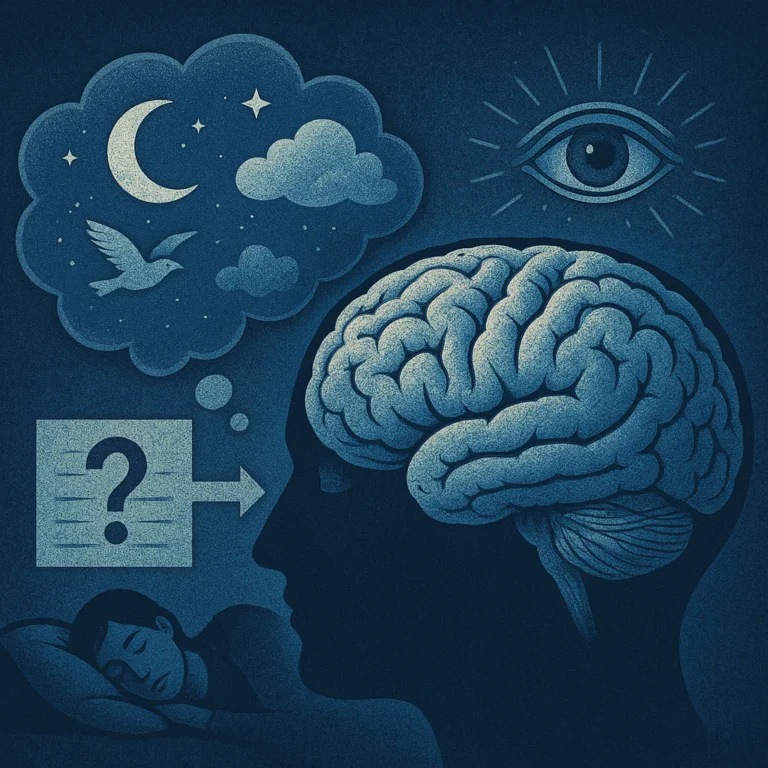
Dreams and counseling can help you explore recurring emotions, nightmares, stress, grief, and life changes, but dreams should be treated as clues—not predictions or diagnoses. A licensed counselor can help connect dream themes with waking-life experiences while also addressing anxiety, trauma, sleep disruption, and practical next steps.
A dream about missing an exam may not mean you secretly fear school. It might reflect work pressure, perfectionism, or the naging sensation that your to-do list has grown teeth. The most useful question is often not “What does this symbol mean?” but “What emotion followed me into the morning?”
At Dream and Meaning™, we recommend combining personal reflection with evidence-informed care. Dream journaling, compassionate conversation, CBT, trauma-focused therapy, and Imagery Rehearsal Therapy can all play a role, particularly when nightmares begin stealing sleep or confidence.
One memorable client described repeatedly dreaming about a locked door. The breakthrough was not a mystical interpretation; it was recognizing how often they felt unable to ask for help during the day. Once that waking pattern became visible, counseling could address it directly.
Key Takeaways
- Dreams may reflect emotions, stress, memories, relationships, or personal concerns, but they do not have universal meanings.
- Counseling offers a safe way to explore recurring dreams and nightmares without treating them as prophecies.
- Focus on the emotion and personal association, not just the dream symbol.
- Recurring nightmares can be treated, including through CBT, trauma-focused therapy, and Imagery Rehearsal Therapy.
- A disturbing dream does not define your character or intentions.
- Medication changes, alcohol, caffeine, sleep deprivation, and sleep disorders can affect dreams.
- Seek professional help when nightmares disrupt sleep, worsen anxiety, affect daily functioning, or follow trauma.
- The best dream work turns insight into action, such as setting boundaries, processing grief, improving sleep, or asking for support.
Table of Contents
- ⚡️ Quick Tips and Facts About Dreams and Counseling
- 🌙 Dreams and Counseling: What the Connection Really Means
- A Brief History of Dream Interpretation in Psychotherapy
- Why Dreams Can Feel So Emotionally Powerful
- 🧠 How Therapists Use Dreams in Counseling
- Dream Exploration vs. Dream Prediction
- The Role of Emotions, Symbols, Memories, and Personal Meaning
- Evidence-Based Therapy Approaches for Dream Work
- 🔍 11 Common Reasons People Discuss Dreams in Therapy
- 1. Recurring Dreams and Unresolved Emotional Themes
- 2. Nightmares, Fear, and Trauma-Related Dreams
- 3. Stress, Anxiety, and Overwhelming Life Changes
- 4. Grief, Loss, and Dreams About Someone Who Has Died
- 5. Relationship Conflict and Dreams About Partners
- 6. Dreams About Work, School, and Performance Pressure
- 7. Lucid Dreams and the Desire for More Control
- 8. Sleep Paralysis, Vivid Dreams, and Disturbing Sensations
- 9. Identity, Self-Estem, and Personal Growth
- 10. Medication, Substance Use, and Changes in Dream Patterns
- 11. Spiritual Dreams and Personal Beliefs
- 🛋️ What Happens in a Dream Counseling Session
- How to Bring Up a Dream With Your Therapist
- Questions a Counselor May Ask About Your Dream
- How Dream Journaling Supports Therapy
- What a First Session May Feel Like
- 💬 Therapeutic Approaches for Understanding Dreams
- Psychodynamic and Psychoanalytic Dream Therapy
- Jungian Counseling and Personal Symbolism
- Cognitive Behavioral Therapy for Nightmares
- Imagery Rehearsal Therapy for Recurring Nightmares
- Trauma-Focused Counseling and Rescripting
- Gestalt, Narrative, and Person-Centered Dream Work
- Mindfulness-Based Therapy and Sleep Anxiety
- 👨 👩 👧 👦 Counseling for Different Ages and Life Stages
- Child Counseling and Nightmares
- Teen Counseling for Stress, Identity, and Vivid Dreams
- Adult Therapy for Recurring Dreams and Life Transitions
- Family Counseling When Dreams Reflect Household Stress
- ADHD, Neurodiversity, and Sleep-Related Concerns
- ❤️ Supporting Emotional Wellness Through Dream-Informed Counseling
- A Compassionate, Client-Centered Counseling Experience
- Helping Teens Build Confidence and Follow Their Goals
- Creating a Safe Space for Difficult Conversations
- How Counselors Help Clients Turn Insight Into Action
- 🧩 Dream Interpretation and Mental Health Conditions
- Anxiety Disorders and Stress Dreams
- Depression, Grief, and Emotional Numbness
- PTSD, Trauma Nightmares, and Hypervigilance
- OCD, Intrusive Thoughts, and Repetitive Dream Themes
- Sleep Disorders That Can Affect Dreaming
- ⚠️ When a Disturbing Dream Requires Professional Support
- Warning Signs That Nightmares Are Affecting Daily Life
- When to Seek a Therapist, Sleep Specialist, or Doctor
- Crisis Support and Immediate Safety Resources
- ✅ Choosing the Right Counselor for Dream Work
- Credentials, Licensure, and Relevant Experience
- Questions to Ask Before Booking Therapy
- Finding a Therapist Who Respects Your Beliefs
- Online Counseling vs. In-Person Dream Therapy
- How Confidentiality and Professional Boundaries Protect You
- 📓 Practical Dream Journaling Techniques
- What to Record Immediately After Waking
- How to Track Recurring Symbols and Emotions
- Dream Journal Mistakes to Avoid
- Helpful Apps and Sleep-Tracking Tools
- 🌿 Healthy Sleep Habits That May Reduce Nightmares
- A Calming Bedtime Routine
- Stress Management Before Sleep
- The Effects of Caffeine, Alcohol, Screens, and Medication
- When Better Sleep Hygiene Is Not Enough
- ❌ Common Dream Counseling Mistakes and Myths
- Why Universal Dream Dictionaries Can Mislead You
- Dreams Are Not Guaranteed Predictions
- Why Therapists Should Not Force a Symbolic Meaning
- Dream Interpretation Is Not a Substitute for Mental Health Care
- 🧪 What Research Says About Dreams and Counseling
- What Scientists Know About Dreaming and Memory
- Research on Nightmare Treatment
- The Limits of Dream Interpretation Evidence
- ❓ Questions to Reflect on Before Your Appointment
- 🏁 Conclusion
- 🔗 Recommended Links
- 🙋 FAQ
- 📚 Reference Links
Quick Tips and Facts About Dreams and Counseling
If a dream jolts you awake at 3:17 a.m., you may wonder: Was that a warning, a memory, or just your brain making surreal cinema without a script? At Dream and Meaning™, we encourage curiosity without panic. Dreams can be emotionally meaningful, but they are not automatic diagnoses, prophecies, or confessions.
For a broader look at our approach, visit Dream and Meaning™, then explore our Dream Interpretation resources.
The short version
- Dreams can reflect emotions, memories, stress, relationships, and personal concerns.
- A dream’s meaning is personal, not fixed by a universal symbol dictionary.
- Recurring nightmares deserve attention when they disrupt sleep, mood, relationships, or daytime functioning.
- Involuntary dream content is not the same as intentional behavior. A disturbing dream does not automatically reveal your character or moral beliefs.
- Counseling can help you explore emotional themes, process trauma, reduce nightmare distress, and develop healthier coping strategies.
- Cognitive Behavioral Therapy (CBT) and Imagery Rehearsal Therapy (IRT) are among the best-supported approaches for persistent nightmares. The American Academy of Sleep Medicine identifies imagery rehearsal therapy as a recommended treatment for nightmare disorder.
- Dream interpretation should support therapy, not replace it.
- Seek medical or mental-health support if dreams accompany suicidal thoughts, severe trauma symptoms, confusion while awake, dangerous sleep behaviors, or significant insomnia.
Fast facts table
| Question | Helpful answer |
|---|---|
| Do all dreams have a hidden meaning? | ❌ No. Some may reflect ordinary memory processing, stress, bodily sensations, or random neural activity. |
| Can dreams reveal emotions? | ✅ They may highlight feelings, concerns, or themes you have not consciously considered. |
| Are nightmares always signs of trauma? | ❌ No. Stress, medication, illness, sleep deprivation, and ordinary anxiety can also contribute. |
| Can counseling stop recurring dreams? | ✅ Therapy may reduce frequency, intensity, and distress, especially when nightmares are linked to anxiety or trauma. |
| Should you confess a dream? | ✅ Share it if it concerns you. ❌ Do not assume you are guilty because your sleeping brain produced disturbing content. |
| Is lucid dreaming a treatment by itself? | ❌ Not necessarily. It may help some people, but structured clinical care is safer for trauma-related nightmares. |
| Can medication change dreams? | ✅ Some medications and substances can affect dream vividness, recall, or nightmares. Discuss changes with a prescriber. |
Three rules we use at Dream and Meaning™
-
Start with emotion, not the symbol.
“I felt trapped” may be more revealing than “There was a locked door.” -
Look for waking-life connections.
Ask what has been occupying your attention, energy, fear, or hope. -
Stay grounded.
A dream can be meaningful without being supernatural, predictive, or clinically diagnostic.
A dream is information to explore, not a verdict to obey.
Dreams and Counseling: What the Connection Really Means
Dreams and counseling meet at a useful crossroads: both invite you to notice what your mind and body may be communicating. Counseling does not require a therapist to announce, “The red snake means betrayal.” That sort of certainty belongs in a late-night television drama, not a responsible therapy room.
Instead, a counselor may ask:
- What did you feel during the dream?
- What changed when you woke up?
- Does the situation resemble anything happening now?
- Have similar themes appeared before?
- What interpretation fits your personal history?
- What would you like to understand or change?
Our Dream Analysis Techniques category explores this process in greater depth.
A Brief History of Dream Interpretation in Psychotherapy
Dream work has a long history in psychology and counseling:
- Sigmund Freud viewed dreams as connected to wishes, conflicts, and unconscious material.
- Carl Jung emphasized personal symbolism, archetypal images, and the psyche’s movement toward greater wholeness.
- Gestalt therapists often explore dream elements as parts of the dreamer’s experience.
- Cognitive and behavioral clinicians focus more on nightmare patterns, beliefs, emotional learning, and practical change.
- Modern sleep medicine examines dreaming alongside REM sleep, trauma, medications, sleep disorders, and neurological processes.
These traditions sometimes disagree. Freud and Jung often searched for symbolic or unconscious meaning, while contemporary behavioral sleep treatment may ask a more practical question: What reduces the nightmare’s power?
Both perspectives can be useful when handled carefully. A therapist might explore the emotional meaning of a dream while also addressing sleep deprivation, trauma symptoms, or medication effects. The National Institute of Neurological Disorders and Stroke provides helpful background on sleep and related conditions.
Why Dreams Can Feel So Emotionally Powerful
Dreams can feel startlingly real because several brain systems involved in imagery and emotion remain active during dreaming. Popular explanations often describe REM sleep as an “internal therapy session,” a phrase that captures the experience but should not be treated as a complete scientific conclusion.
During REM sleep:
- Visual and emotional brain networks are active.
- Logical, reality-checking processes may operate differently.
- Strong feelings can appear without a clear narrative.
- Memory fragments may combine with current worries.
- The body’s sleep state limits ordinary physical action.
A useful summary from the featured video’s perspective is that dreams may help process emotions, consolidate memories, and rehearse responses to threats. You can revisit that perspective in the featured video. However, dream science remains complex: researchers continue debating exactly how dreams arise and what functions they serve.
Dreams as Emotional Signals, Not Secret Messages
A dream about missing an exam might relate to performance anxiety, but it could also follow a stressful day, an old memory, or a conversation about school. The image is not a barcode with one universal scan result.
We recommend separating three layers:
| Layer | Example | Counseling question |
|---|---|---|
| Dream event | You are locked outside a house | What happened in the dream? |
| Emotional response | Panic, loneliness, frustration | What did you feel? |
| Personal association | Feeling excluded at work | Where does that emotion appear in waking life? |
This approach allows room for symbolism without forcing it.
How Therapists Use Dreams in Counseling
A qualified counselor may use dream material as one part of a broader assessment. Dreams can open a conversation, but they do not independently establish a diagnosis.
Dream Exploration vs. Dream Prediction
✅ Responsible dream exploration:
- Connects the dream to the dreamer’s experiences.
- Considers stress, grief, trauma, relationships, and sleep.
- Allows multiple interpretations.
- Checks whether the interpretation feels accurate to the client.
- Leads toward practical support.
❌ Problematic dream prediction:
- Claims certainty about future events.
- Treats symbols as universal facts.
- Encourages fear-based decisions.
- Replaces medical or psychological assessment.
- Makes the client dependent on the interpreter.
The American Psychological Association discusses sleep and mental health without presenting dreams as fortune-telling. That distinction matters.
The Role of Emotions, Symbols, Memories, and Personal Meaning
Suppose you dream about a flooded basement. One person may associate basements with childhood fear. Another may think of storage, forgotten memories, or a recent plumbing problem. A third may simply have heard rain while asleep.
The symbol becomes useful only when paired with your association.
Try this four-step reflection:
- Name the image: “There was a flooded basement.”
- Name the emotion: “I felt overwhelmed and embarrassed.”
- Name the association: “I have been hiding a work problem.”
- Name the need: “I may need help before the situation gets worse.”
The final step is crucial. Insight without action can become emotional window-shopping: interesting, but not especially useful.
Evidence-Based Therapy Approaches for Dream Work
| Approach | Main focus | Particularly useful for | Caution |
|---|---|---|---|
| CBT | Thoughts, behaviors, coping skills | Anxiety, insomnia, nightmare distress | May feel structured if you prefer open-ended exploration |
| Imagery Rehearsal Therapy | Rewriting nightmare endings while awake | Recurring nightmares | Best learned with professional guidance when trauma is involved |
| Trauma-focused therapy | Processing traumatic memories safely | PTSD-related nightmares | Timing and pacing matter |
| Psychodynamic therapy | Conflict, relationships, emotional patterns | Long-standing themes | Interpretations should remain collaborative |
| Jungian therapy | Personal symbolism and meaning | Identity, transition, inner conflict | Archetypes should not override personal context |
| Gestalt therapy | Experiencing dream parts in the present | Emotional awareness | Can feel intense for some clients |
| Person-centered counseling | Empathy, acceptance, self-understanding | Shame, grief, uncertainty | May need added structure for severe nightmares |
| Mindfulness-based therapy | Observing thoughts and sensations | Sleep anxiety, rumination | Mindfulness is not a replacement for trauma treatment |
11 Common Reasons People Discuss Dreams in Therapy
1. Recurring Dreams and Unresolved Emotional Themes
Recurring dreams often prompt the question, “Why is my brain replaying this?” Repetition may reflect ongoing stress, an unresolved emotional conflict, a learned fear response, or simply a repeated sleep pattern.
Look for what changes:
- Is the setting identical?
- Does the threat become stronger?
- Do you respond differently?
- Does the dream stop after a waking-life decision?
- Is the emotion the same even when the storyline changes?
A recurring dream of being unprepared might appear during school, work, parenting, or relationship stress. The plot changes; the emotional theme remains: “I cannot meet expectations.”
2. Nightmares, Fear, and Trauma-Related Dreams
Nightmares are more than unpleasant dreams when they repeatedly cause distress or impair functioning. Trauma-related nightmares may replay an event directly, but they can also be symbolic, fragmented, or emotionally similar rather than visually identical.
The U.S. Department of Veterans Affairs PTSD National Center explains that trauma reminders can appear in many forms and may trigger intense emotional or physical reactions.
Counseling can help you:
- Identify triggers.
- Reduce avoidance.
- Improve sleep routines.
- Practice grounding.
- Rehearse alternative dream endings.
- Process trauma at a tolerable pace.
3. Stress, Anxiety, and Overwhelming Life Changes
Stress dreams commonly involve:
- Missing transportation.
- Losing a phone.
- Failing a test.
- Being late.
- Forgeting an important task.
- Being chased.
- Trying to speak but having no voice.
- Arriving somewhere unprepared.
These dreams do not prove that disaster is coming. They may reflect a nervous system struggling with uncertainty. The National Institute of Mental Health describes anxiety as involving excessive fear or worry that can affect sleep and daily life.
A counselor can help distinguish ordinary stress from anxiety disorder by examining duration, intensity, avoidance, physical symptoms, and impairment.
4. Grief, Loss, and Dreams About Someone Who Has Died
Dreams of deceased loved ones can feel comforting, painful, confusing, or all three before breakfast. They may help people maintain a sense of connection, process memories, or experience emotions that feel difficult to access while awake.
There is no single “correct” interpretation. Some people understand these dreams spiritually; others view them as memory and grief processing. A respectful therapist does not have to choose for you.
Counseling may help with:
- Complicated grief.
- Guilt or unfinished conversations.
- Suden bereavement.
- Traumatic loss.
- Changes in identity after loss.
- Fear of forgetting the person.
5. Relationship Conflict and Dreams About Partners
Dreams about cheating, abandonment, arguments, or rejection can produce very real jealousy or fear. But a dream is not evidence that your partner cheated, will leave, or secretly wants someone else.
Ask instead:
- What emotion lingered after waking?
- Do you feel secure in the relationship?
- Have trust issues appeared recently?
- Are you avoiding a conversation?
- Does the dream echo an earlier relationship wound?
We once worked with a dreamer who woke furious after dreaming that her partner ignored her at a crowded party. The dream did not reveal an affair. It revealed a waking pattern: she had been minimizing how lonely she felt during stressful weeks. The useful interpretation was not “Your partner is unfaithful.” It was “Your need for connection deserves words.”
6. Dreams About Work, School, and Performance Pressure
Performance dreams often appear when your self-worth feels tied to achievement. They may involve:
- Showing up without preparation.
- Losing important documents.
- Being unable to complete a task.
- Being watched or judged.
- Returning to school years after graduation.
Counseling can examine perfectionism, impostor feelings, burnout, workplace conflict, academic stress, or unrealistic expectations.
7. Lucid Dreams and the Desire for More Control
A lucid dream occurs when you recognize that you are dreaming while the dream continues. Some people use lucid-dreaming practices for creativity, rehearsal, or nightmare management.
Potential benefits:
- Increased sense of agency.
- Opportunities to alter a threatening scene.
- Curiosity and creative exploration.
- A different relationship with frightening imagery.
Potential drawbacks:
- Sleep disruption.
- Frustration when techniques fail.
- Increased preoccupation with dream control.
- Confusion for people with certain dissociative or psychotic symptoms.
Lucid dreaming is not automatically therapeutic. Discuss it with a clinician if you have severe nightmares, dissociation, psychosis-spectrum symptoms, or major sleep disruption.
8. Sleep Paralysis, Vivid Dreams, and Disturbing Sensations
Sleep paralysis can involve temporary inability to move while falling asleep or waking. Some people experience vivid visual, auditory, or tactile sensations. These episodes can be terrifying, but they are not automatically evidence of a supernatural event or mental illness.
The Cleveland Clinic explains common features, possible contributors, and when to seek care.
Consider professional support if episodes are:
- Frequent.
- Associated with extreme daytime sleepiness.
- Causing fear of sleep.
- Occurring alongside irregular muscle weakness.
- Acompanied by dangerous behaviors or severe insomnia.
9. Identity, Self-Estem, and Personal Growth
Some dreams emerge during transitions:
- Starting college.
- Becoming a parent.
- Ending a relationship.
- Changing careers.
- Moving.
- Recovering from illness.
- Exploring gender or sexuality.
- Setting boundaries with family.
Dreams can offer emotional rehearsal. You may dream of flying, hiding, performing, transforming, or returning to a childhood place. None of these images has one guaranteed meaning. Their value lies in helping you ask, “What part of me is changing?”
10. Medication, Substance Use, and Changes in Dream Patterns
Dream vividness or nightmares can change after:
- Starting or stopping a medication.
- Adjusting dosage.
- Using nicotine or cannabis.
- Drinking alcohol.
- Experiencing withdrawal.
- Sleeping irregularly.
- Recovering from illness.
Never stop a prescribed medication solely because of a dream without speaking with your prescriber. The U.S. Food and Drug Administration and MedlinePlus offer reliable medication information.
Track:
| Change | What to record |
|---|---|
| Medication | Name, dose, timing, recent change |
| Sleep | Bedtime, wake time, awakenings |
| Substance use | Alcohol, caffeine, nicotine, cannabis |
| Dream pattern | Frequency, vividness, emotional intensity |
| Daytime effects | Fatigue, anxiety, concentration, mood |
11. Spiritual Dreams and Personal Beliefs
Dreams may carry spiritual meaning within your faith or worldview. Counseling can respect that framework while still asking grounded questions about mental health and sleep.
A balanced approach may include:
- Prayer or spiritual reflection.
- Consultation with a trusted faith leader.
- Psychological assessment when distress is significant.
- Avoiding absolute claims that create fear.
- Distinguishing spiritual interpretation from clinical diagnosis.
The Biblical Counseling Coalition’s discussion of troubled dreams offers a faith-based perspective that rejects both extremes: treating every dream as a supernatural message and dismissing every dream as meaningless. It emphasizes examining waking patterns without treating involuntary dream content itself as sin.
What Happens in a Dream Counseling Session
Dream counseling is usually less theatrical than people imagine. There is no crystal ball, thunderclap, or therapist dramatically declaring, “The staircase represents your mother!” Instead, expect conversation, questions, context, and sometimes practical sleep treatment.
How to Bring Up a Dream With Your Therapist
You can start with:
“I had a dream that bothered me, and I keep thinking about it.”
Then share:
- The basic storyline.
- The strongest emotion.
- What happened just before sleep.
- What you felt after waking.
- Any repeating pattern.
- What you fear the dream might mean.
You do not need a polished narrative. Dream memories evaporate quickly, often leaving only a strange emotional aftertaste. That is normal.
Questions a Counselor May Ask About Your Dream
A therapist may ask:
- What stands out most?
- What emotion was strongest?
- What did you want to do?
- What stopped you?
- Who appeared, and what do they represent to you?
- Does the dream resemble a current situation?
- Has anything similar happened before?
- What changed recently?
- How is sleep affecting your daytime life?
- What meaning feels possible, and what meaning feels forced?
The best interpretation is often the one that produces recognition without creating terror.
How Dream Journaling Supports Therapy
Dream journaling can improve recall and help identify patterns. You might use a simple notebook such as the Moleskine Classic Notebook on Amazon or a digital tool such as Day One.
Record the following within a few minutes of waking:
- Date.
- Approximate sleep duration.
- Dream title.
- Main images.
- Emotions from 0–10.
- Waking-life stressors.
- Physical sensations.
- Any medication or substance changes.
- What you need today.
Avoid turning journaling into an interrogation. You are collecting clues, not prosecuting your subconscious.
What a First Session May Feel Like
You may feel:
- Relieved that someone takes the dream seriously.
- Embarrassed by sexual or violent content.
- Skeptical about interpretation.
- Overwhelmed by memories.
- Curious but uncertain.
A competent counselor will not shame you for involuntary content. They should explain confidentiality, limits of confidentiality, treatment goals, and what to do if symptoms intensify.
Therapeutic Approaches for Understanding Dreams
Psychodynamic and Psychoanalytic Dream Therapy
Psychodynamic therapy may explore:
- Repeated relationship patterns.
- Unconscious conflict.
- Childhood experiences.
- Defenses and avoided emotions.
- Feelings transferred into current relationships.
This approach can be valuable for long-standing themes, though interpretations should be offered as possibilities rather than facts.
Jungian Counseling and Personal Symbolism
Jungian work may examine:
- The “shadow,” or disowned parts of the personality.
- Archetypal images.
- Life transitions.
- Wholeness and individuation.
- The relationship between conscious identity and unconscious material.
For example, a dream character you dislike might represent a quality you reject in yourself—or simply remind you of someone unpleasant. The dreamer’s associations decide which possibility deserves attention.
Cognitive Behavioral Therapy for Nightmares
CBT for nightmares may involve:
- Identifying beliefs about sleep and danger.
- Reducing bedtime anxiety.
- Challenging catastrophic interpretations.
- Building regular sleep habits.
- Practicing coping skills.
- Addressing avoidance.
The American Academy of Sleep Medicine supports behavioral and psychological treatments for nightmare disorder.
Imagery Rehearsal Therapy for Recurring Nightmares
Imagery Rehearsal Therapy generally involves:
- Writing down the nightmare.
- Creating a safer, less distressing alternative ending.
- Rehearsing that new version while awake.
- Practicing regularly.
- Tracking nightmare frequency and distress.
The new ending does not need to be cheerful or cartoonish. It needs to create agency, safety, escape, support, or resolution.
For example:
- Original: You are trapped in a burning building.
- Revised: You find a marked exit, call for help, and reach a safe location.
- Emotional shift: Helplessness becomes focused action.
For trauma survivors, do this with a trained clinician when possible. Rehearsing intense material too quickly can increase distress.
Trauma-Focused Counseling and Rescripting
Trauma-focused treatments may include:
- Cognitive Processing Therapy.
- Prolonged Exposure.
- Eye Movement Desensitization and Reprocessing (EMDR).
- Trauma-focused CBT.
- Cognitive therapy for insomnia.
- Written exposure or narrative approaches.
The VA/DoD Clinical Practice Guideline for PTSD provides evidence-informed recommendations. A therapist should tailor pacing to your stability, safety, and goals.
Gestalt, Narrative, and Person-Centered Dream Work
Gestalt therapy may invite you to speak from different dream elements: “I am the locked door,” then “I am the person outside.” This can reveal conflicting needs or emotions.
Narrative therapy may ask how the dream fits a larger story and whether you can develop an alternative story.
Person-centered therapy prioritizes empathy, acceptance, and your authority over your experience.
These methods differ in style, but each can help you move from “What does this symbol mean?” to “What is this experience asking me to notice?”
Mindfulness-Based Therapy and Sleep Anxiety
Mindfulness can help you observe dream-related fear without immediately treating it as a command or prediction.
Try:
- Naming the experience: “I am remembering a nightmare.”
- Feeling your feet on the floor.
- Taking slow, comfortable breaths.
- Describing five neutral objects in the room.
- Returning attention to the present.
Mindfulness may reduce secondary anxiety, but it should not be used to avoid necessary trauma treatment.
Counseling for Different Ages and Life Stages
Child Counseling and Nightmares
Children may not describe emotions directly. They may show distress through:
- Refusing bedtime.
- Repeatedly seeking reassurance.
- Drawing frightening images.
- Developing new fears.
- Waking frequently.
- Becoming iritable or clingy.
Parents can validate without amplifying fear:
“That dream felt scary. You are awake, and you are safe now. Let’s help your body calm down.”
Avoid promising that a nightmare can never happen again. Instead, teach coping and predictable routines. The American Academy of Pediatrics offers parent-focused sleep guidance.
Teen Counseling for Stress, Identity, and Vivid Dreams
Teenagers may experience vivid dreams alongside:
- Academic pressure.
- Social conflict.
- Identity exploration.
- Family tension.
- Iregular sleep.
- Increased screen exposure.
- Anxiety or depression.
A teen-friendly counselor should balance privacy, safety, family involvement, and autonomy. Therapy should not become an adult-led dream decoding session. The teenager’s own interpretation matters most.
Adult Therapy for Recurring Dreams and Life Transitions
Adults often seek help when dreams collide with:
- Parenting.
- Career burnout.
- Divorce.
- Grief.
- Health concerns.
- Financial stress.
- Aging parents.
- Relationship insecurity.
A counselor can connect dream themes with real-world decisions while avoiding the trap of making every decision based on a dream.
Family Counseling When Dreams Reflect Household Stress
One person’s nightmares can affect the whole household. Family therapy may help with:
- Bedtime conflict.
- Parenting responses.
- Trauma reminders.
- Communication.
- Shared grief.
- Relationship tension after repeated sleep disruption.
The goal is not to interpret a child’s dream in front of the entire family like a courtroom exhibit. It is to strengthen safety, trust, and support.
ADHD, Neurodiversity, and Sleep-Related Concerns
People with ADHD or other neurodevelopmental differences may experience sleep timing difficulties, racing thoughts, sensory sensitivity, or inconsistent routines. These factors can influence dream recall and distress without giving dreams a special universal meaning.
Assessment should consider:
- Sleep schedule.
- Medication timing.
- Anxiety.
- Sensory needs.
- Co-occurring sleep disorders.
- Executive-function challenges.
Supporting Emotional Wellness Through Dream-Informed Counseling
A Compassionate, Client-Centered Counseling Experience
Dream discussions can involve shame. A therapist’s attitude matters enormously.
Helpful counseling feels:
- Curious rather than sensational.
- Respectful rather than judgmental.
- Collaborative rather than authoritative.
- Practical rather than mystical by default.
- Sensitive to culture and faith.
- Focused on your goals.
Helping Teens Build Confidence and Follow Their Goals
The phrase “follow your dreams” sounds cheerful, but real counseling goes further. It asks:
- What do you want?
- What blocks you?
- What support do you need?
- What small step is possible this week?
- How can setbacks become information rather than identity?
Strength to Aspire New Dreams, LLC in Ashland, Wisconsin describes its philosophy as “Encourage, Empower, Embrace.” Its services include approaches such as CBT, DBT, EMDR, Christian counseling, family therapy, motivational interviewing, and person-centered therapy. The practice states that it offers telehealth and accepts new clients; verify current availability directly through Strength to Aspire New Dreams, LLC.
The practice does not present itself as a specialized dream-interpretation clinic. That distinction is worth making. It may support anxiety, grief, relationships, trauma, and life transitions that influence dreams, while specialized nightmare treatment may require a clinician with direct sleep or trauma expertise.
Creating a Safe Space for Difficult Conversations
A good counselor should help you discuss:
- Sexual dreams.
- Violent dreams.
- Dreams involving loved ones.
- Spiritual fears.
- Shame.
- Trauma memories.
- Anger or resentment.
- Dreams that conflict with your values.
The Biblical Counseling Coalition makes a related distinction: people should examine waking attitudes and actions highlighted by dreams, but should not treat involuntary dream content itself as a moral failure. That perspective differs from some symbolic approaches, yet both can agree on a sensible principle: respond thoughtfully rather than reactively.
How Counselors Help Clients Turn Insight Into Action
Dream insight becomes clinically useful when it leads to a plan:
| Insight | Possible action |
|---|---|
| “I feel trapped at work.” | Explore boundaries, communication, or career support |
| “I keep dreaming about an old loss.” | Process grief and unresolved emotions |
| “Nightmares follow alcohol use.” | Track patterns and discuss safer choices with a clinician |
| “I feel unsafe in my relationship.” | Assess safety and seek appropriate support |
| “I cannot sleep because I fear the dream.” | Use CBT-I strategies and nightmare treatment |
| “I keep avoiding difficult conversations.” | Practice a script in counseling |
Dream Interpretation and Mental Health Conditions
Dreams alone cannot diagnose a mental-health condition. Diagnosis depends on a complete assessment of symptoms, duration, impairment, history, medical factors, and safety.
Anxiety Disorders and Stress Dreams
Anxiety can increase:
- Threat-focused dreams.
- Repeated awakenings.
- Dream recall.
- Fear of falling asleep.
- Catastrophic interpretations.
Treatment may include CBT, exposure-based methods, relaxation training, medication management, or sleep-focused therapy.
Depression, Grief, and Emotional Numbness
Depression may affect sleep architecture, energy, dream recall, and emotional tone. Some people report bleak or repetitive dreams; others remember little. Neither pattern proves depression.
Look at daytime signs:
- Persistent low mood.
- Loss of interest.
- Hopelessness.
- Fatigue.
- Changes in appetite.
- Difficulty concentrating.
- Thoughts of death or self-harm.
If suicidal thoughts are present, seek immediate help through local emergency services or the 988 Suicide & Crisis Lifeline.
PTSD, Trauma Nightmares, and Hypervigilance
PTSD-related sleep symptoms may include:
- Nightmares.
- Flashbacks.
- Hypervigilance.
- Avoidance.
- Irritability.
- Startle responses.
- Difficulty sleeping.
- Emotional numbness.
A trauma-informed therapist should prioritize safety and stabilization before intensive processing.
OCD, Intrusive Thoughts, and Repetitive Dream Themes
Disturbing dreams can trigger obsessive doubt:
- “Does this dream mean I want to hurt someone?”
- “Does this prove I am dangerous?”
- “What if I secretly believe this?”
- “Do I need to analyze it until I feel certain?”
The answer is generally no: dream content is not reliable evidence of intent or character. Reassurance-seking and repeated analysis can sometimes strengthen an obsessive cycle. An OCD-trained clinician can help identify compulsions and use evidence-based treatment such as Exposure and Response Prevention.
Sleep Disorders That Can Affect Dreaming
Discuss dream-related symptoms with a medical professional when you experience:
- Loud snoring or gasping.
- Severe daytime sleepiness.
- Repeated sleep paralysis.
- Acting out dreams.
- Sleepwalking with injury risk.
- Suden muscle weakness.
- Chronic insomnia.
- Nightmares after medication changes.
The American Academy of Sleep Medicine provides patient information on sleep disorders and treatment.
When a Disturbing Dream Requires Professional Support
Warning Signs That Nightmares Are Affecting Daily Life
Seek support when nightmares:
- Occur frequently.
- Cause fear of sleeping.
- Lead to chronic sleep loss.
- Affect work, school, or driving.
- Increase substance use.
- Trigger panic or flashbacks.
- Create relationship conflict.
- Cause daytime intrusive images.
- Continue after trauma.
- Make you feel unsafe.
A single strange dream is usually not an emergency. A persistent pattern that changes your life deserves attention.
When to Seek a Therapist, Sleep Specialist, or Doctor
| Situation | Best starting point |
|---|---|
| Recurring nightmares with anxiety | Licensed mental-health professional |
| Possible PTSD | Trauma-informed therapist or physician |
| Snoring, gasping, severe daytime fatigue | Primary-care clinician or sleep specialist |
| Dream enactment or injury | Sleep specialist promptly |
| Medication-related dream changes | Prescribing clinician or pharmacist |
| Sleep paralysis with unusual daytime sleepiness | Physician or sleep specialist |
| Suicidal thoughts or immediate danger | Emergency services or crisis support |
Crisis Support and Immediate Safety Resources
If you may harm yourself or someone else, or cannot stay safe:
- Call emergency services in your location.
- In the United States, call or text 988.
- Go to the nearest emergency department.
- Contact a trusted person and avoid being alone.
- Remove immediate access to weapons, medications, or other means when possible.
Dream interpretation is never a substitute for urgent safety care.
Choosing the Right Counselor for Dream Work
Credentials, Licensure, and Relevant Experience
Look for a licensed professional whose training matches your needs:
- Licensed Professional Counselor (LPC).
- Licensed Clinical Social Worker (LCSW).
- Licensed Marriage and Family Therapist (LMFT).
- Psychologist.
- Psychiatrist when medication evaluation is relevant.
- Certified sleep specialist for suspected sleep disorders.
Ask whether they have experience with:
- Nightmares.
- PTSD.
- CBT-I.
- Imagery Rehearsal Therapy.
- EMDR.
- Anxiety.
- Grief.
- Dissociation.
- Sleep medicine referrals.
Questions to Ask Before Booking Therapy
- How do you approach dreams in counseling?
- Do you use evidence-based nightmare treatments?
- Have you treated trauma-related dreams?
- How do you distinguish symbolism from sleep or medical factors?
- What happens if dream exploration becomes overwhelming?
- Do you offer telehealth?
- What are your policies for privacy and emergencies?
- How do you include spiritual beliefs, if relevant?
- How will we measure progress?
Finding a Therapist Who Respects Your Beliefs
You do not have to choose between faith and psychological care. Look for someone who:
- Respects your worldview.
- Avoids imposing personal beliefs.
- Does not use fear to control you.
- Can collaborate with spiritual leaders when appropriate.
- Knows when symptoms require medical care.
Online Counseling vs. In-Person Dream Therapy
| Format | Benefits | Possible limitations |
|---|---|---|
| Online counseling | Convenient, private, accessible across distance | Requires reliable technology and a suitable private space |
| In-person therapy | Physical separation from home stressors, easier observation of presentation | Travel and scheduling may be harder |
| Sleep clinic | Medical testing and specialized evaluation | Less focus on broad emotional meaning |
| Group therapy | Peer support and normalization | Less individual privacy |
Telehealth can be effective for many concerns, but confirm licensure requirements and emergency procedures in your location.
How Confidentiality and Professional Boundaries Protect You
Therapy confidentiality has legal and ethical limits, commonly involving imminent safety risks, abuse reporting requirements, court orders, or professional consultation. Ask your counselor to explain these limits before sharing sensitive material.
A professional should never:
- Promise supernatural certainty.
- Pressure you to make major decisions based only on a dream.
- Shame you for involuntary content.
- Encourage dependence.
- Discourage appropriate medical care.
Practical Dream Journaling Techniques
What to Record Immediately After Waking
Use this quick template:
Dream title:
Date and time:
Main scene:
Strongest emotion:
Body sensation:
People or figures:
What happened yesterday:
Possible association:
What I need today:
Keep a pen and notebook near the bed, or use a privacy-conscious app. A notebook from Rhodia on Amazon can work well for people who prefer paper.
How to Track Recurring Symbols and Emotions
Create columns for:
- Image.
- Emotion.
- Context.
- Repetition.
- Waking-life connection.
- Action taken.
Example:
| Image | Emotion | Waking connection | Possible action |
|---|---|---|---|
| Locked door | Frustration | Avoiding a family conversation | Schedule a calm discussion |
| Falling | Panic | Work uncertainty | Identify controllable next steps |
| Flooding | Overwhelm | Too many responsibilities | Ask for practical support |
Dream Journal Mistakes to Avoid
❌ Treating every image as a prophecy.
❌ Searching online for one fixed meaning.
❌ Recording only the plot and ignoring emotion.
❌ Re-reading frightening dreams repeatedly before bed.
❌ Using journaling to reassure yourself endlessly.
❌ Changing medication without medical advice.
❌ Assuming a disturbing dream reveals secret intent.
Helpful Apps and Sleep-Tracking Tools
Possible tools include:
- Day One for journaling.
- Apple Health for sleep tracking.
- Fitbit for sleep-related trends.
- Oura for sleep and recovery data.
Sleep trackers estimate rather than directly measure every sleep stage. Use them to notice patterns, not to diagnose yourself.
Healthy Sleep Habits That May Reduce Nightmares
A Calming Bedtime Routine
Try a predictable sequence:
- Dim lights.
- Finish stimulating tasks.
- Put devices aside.
- Take prescribed medication as directed.
- Use a calming activity.
- Write down worries.
- Keep the bedroom cool, dark, and comfortable.
- Go to bed when sleepy.
The CDC’s sleep recommendations provide general guidance on sleep duration and health.
Stress Management Before Sleep
Useful strategies include:
- Gentle stretching.
- Slow breathing.
- Progressive muscle relaxation.
- A brief worry list.
- Prayer or meditation.
- Reading something calming.
- Talking through urgent concerns earlier in the evening.
- Practicing grounding after a nightmare.
The Effects of Caffeine, Alcohol, Screens, and Medication
Caffeine can interfere with sleep for some people. Alcohol may make you sleepy initially but disrupt sleep later. Screens can increase stimulation, especially when content is emotionally intense. Medication effects vary widely.
Track your own pattern, then discuss persistent changes with a clinician. Avoid blaming yourself; sleep biology is not a moral report card.
When Better Sleep Hygiene Is Not Enough
Sleep hygiene helps, but it cannot resolve every nightmare. If trauma, depression, anxiety, medication effects, sleep apnea, or another condition is involved, seek targeted treatment.
Common Dream Counseling Mistakes and Myths
Why Universal Dream Dictionaries Can Mislead You
A dictionary may claim:
- Water always means emotion.
- Teeth always mean anxiety.
- Flying always means freedom.
- Snakes always mean betrayal.
These statements are catchy and often wrong. A snake may represent fear, healing, nature, a pet, a cultural symbol, or last night’s documentary.
Dreams Are Not Guaranteed Predictions
Dreams may influence feelings, but they do not reliably predict:
- Infidelity.
- Death.
- Illness.
- Financial events.
- Future relationships.
- Supernatural attacks.
If a dream raises a practical concern, verify it through waking evidence and appropriate professional advice.
Why Therapists Should Not Force a Symbolic Meaning
Forced interpretations can:
- Increase anxiety.
- Create false memories.
- Damage relationships.
- Reinforce delusional beliefs.
- Distract from medical causes.
- Make clients distrust therapy.
A collaborative therapist might say, “One possibility is…” rather than, “This definitely means…”
Dream Interpretation Is Not a Substitute for Mental Health Care
Dream exploration cannot replace:
- PTSD treatment.
- Crisis intervention.
- Medication evaluation.
- Sleep apnea testing.
- Medical assessment.
- Treatment for depression or anxiety.
- Safety planning.
Use dreams as one source of reflection within a broader care plan.
What Research Says About Dreams and Counseling
What Scientists Know About Dreaming and Memory
Research links sleep with memory and emotional processing, but the exact function of dreaming remains unsettled. Studies do not justify a single universal theory of dream meaning.
The National Center for Biotechnology Information provides background on sleep physiology, while the Sleep Foundation summarizes current knowledge for the public.
Research on Nightmare Treatment
Evidence supports structured approaches, including:
- Imagery Rehearsal Therapy.
- CBT-based nightmare treatment.
- Trauma-focused therapies when PTSD is present.
- Cognitive Behavioral Therapy for Insomnia when sleep anxiety and insomnia overlap.
Treatment choice depends on the nightmare’s cause, frequency, severity, and your overall mental and physical health.
The Limits of Dream Interpretation Evidence
There is stronger evidence for treating nightmare distress and sleep disruption than for proving that individual symbols have fixed meanings.
That resolves a common conflict between symbolic and biological perspectives:
- The symbolic approach asks, “What does this mean to you?”
- The biological approach asks, “What is happening in sleep, memory, and arousal?”
- The clinical approach asks, “What helps you function and feel safer?”
A thoughtful counselor can ask all three.
Questions to Reflect on Before Your Appointment
Bring these questions to therapy:
- What emotion stayed with me after waking?
- What has been stressing me lately?
- Does the dream repeat a relationship or life pattern?
- What am I avoiding?
- What do I fear the dream means?
- What evidence supports that fear?
- What would a kinder interpretation be?
- Is my sleep routine contributing?
- Have medications or substances changed?
- What kind of help do I want: meaning, symptom relief, trauma treatment, or better sleep?
Conclusion

Dreams and counseling work best together when dreams are treated as meaningful possibilities rather than unquestionable messages. Your dream may reflect stress, grief, memory, identity, relationship concerns, trauma, ordinary sleep processes. It may also be delightfully weird for no grand reason. The brain occasionally serves surreal soup.
Our confident recommendation is simple:
- Record the dream without judging yourself.
- Focus on emotion and personal associations.
- Look for waking-life patterns.
- Avoid universal dream dictionaries and fear-based predictions.
- Seek a licensed counselor for recurring nightmares, trauma, anxiety, grief, or sleep disruption.
- Use evidence-based treatments such as CBT or Imagery Rehearsal Therapy when appropriate.
- Consult a doctor or sleep specialist when physical symptoms or medication changes are involved.
The incomplete story from earlier now has answer: a dream does not have to be either a supernatural command or meaningless noise. It can be a starting point for compassionate self-understanding, followed by practical support.
Recommended Links
Dream interpretation and counseling resources
- Dream and Meaning™
- Dream Interpretation
- Dream Analysis Techniques
- Dream Inspiration
- Strength to Aspire New Dreams, LLC
- American Academy of Sleep Medicine
- American Psychological Association: Sleep
- U.S. Department of Veterans Affairs PTSD Resources
- 988 Suicide & Crisis Lifeline
Recommended books
- The Dream Book: Symbols for Self Understanding by Betty Bethards: Amazon
- Man and His Symbols by Carl G. Jung: Amazon
- The Interpretation of Dreams by Sigmund Freud: Amazon
- The Body Keeps the Score by Bessel van der Kolk: Amazon
- Say Good Night to Insomnia by Gregg D. Jacobs: Amazon
FAQ

What do dreams reveal about your emotional health?
Dreams may reveal emotional themes such as fear, grief, pressure, longing, anger, or vulnerability. They do not provide a complete mental-health assessment.
What should you compare with the dream?
Compare the dream with daytime symptoms:
- Mood.
- Anxiety.
- Sleep quality.
- Relationships.
- Concentration.
- Avoidance.
- Physical stress responses.
- Changes in functioning.
A frightening dream with no daytime impairment may require only reflection. Repeated nightmares with panic and insomnia deserve professional support.
Read more about “10 Dream Types That Unlock True Happiness (2026) 🌟”
Can counseling help you understand recurring dreams?
Yes. Counseling can help identify recurring emotions, stressors, trauma reminders, relationship patterns, and sleep-related contributors.
What might treatment include?
A therapist may use:
- Dream exploration.
- CBT.
- Imagery Rehearsal Therapy.
- Trauma-focused therapy.
- Grounding.
- Sleep education.
- Stress-management skills.
The goal is not merely to decode the dream. It is to reduce distress and improve your waking life.
Read more about “🌙 7 Ways Dreams and Life Coaching Unlock Your True Path (2026)”
Why do I keep having the same dream?
Recurring dreams may continue because the underlying stress, fear, grief, habit, or sleep disruption remains active. They may also recur because the brain has learned a familiar nightmare pattern.
Does repetition prove unresolved trauma?
No. Repetition can occur with ordinary stress, anxiety, medication changes, sleep deprivation, or trauma. Context matters more than the plot alone.
Read more about “🌙 7 Best Dream Analysis Workshops to Master Your Subconscious (2026)”
How can dream interpretation support therapy?
Dream interpretation can provide a gentle entry point into emotions that are difficult to discuss directly. A dream may help you identify:
- A need for safety.
- A fear of rejection.
- Unresolved grief.
- Anger.
- Burnout.
- A desire for change.
- A conflict between values and behavior.
What makes interpretation clinically useful?
It should be collaborative, culturally respectful, emotionally grounded, and connected to practical goals.
Read more about “Unlocking the Secrets of Dream Therapy: 7 Life-Changing Insights 🌙 (2026)”
What do nightmares mean in psychology?
Nightmares are distressing dreams that may involve fear, threat, helplessness, or intense negative emotion. They can be associated with stress, PTSD, anxiety, medications, substance use, sleep deprivation, or nightmare disorder.
Are nightmares messages from the unconscious?
They may reflect emotional or memory processes, but psychology does not require treating them as coded messages. Their clinical significance depends on frequency, distress, impairment, and context.
Read more about “🔮 Freudian Dream Analysis: Unlock Your Hidden Desires (2026)”
Should I tell my counselor about my dreams?
Yes, especially if a dream bothers you, repeats, affects sleep, or connects with trauma, grief, anxiety, or relationship concerns.
What if the dream is embarrassing?
Counselors routinely hear unusual, sexual, violent, and confusing dream content. Involuntary dream material does not automatically reveal intent or character.
Read more about “🌙 What Do Your Dreams Mean? 12 Secrets Decoded (2026)”
Can stress and anxiety affect the meaning of dreams?
Stress and anxiety can influence dream themes, emotional intensity, awakenings, and recall. They may make threat-based dreams more likely or make ordinary dreams feel more significant.
How can you test whether stress is involved?
Track:
- Stress level.
- Sleep duration.
- Bedtime.
- Caffeine and alcohol.
- Medication changes.
- Dream frequency.
- Daytime anxiety.
Share the pattern with a counselor or medical professional.
Read more about “🌟 7 Ways to Hack Your Dreams with Positive Thinking (2026)”
Can a therapist interpret dreams without using a dream dictionary?
Yes. Many therapists focus on your emotions, personal associations, current circumstances, and repeated patterns rather than fixed symbols.
Why is that safer?
It avoids imposing meanings that may not fit your culture, history, relationships, or values.
Read more about “🌙 15 Best Dream Dictionaries for 2026: Decode Your Nightmares”
Can nightmares be treated without interpreting their symbols?
Yes. Treatments such as Imagery Rehearsal Therapy and CBT may reduce nightmare frequency and distress without requiring a symbolic explanation.
When is this approach especially useful?
It can be helpful when nightmares are frequent, sleep-disrupting, trauma-related, or causing fear of bedtime.
Read more about “How Do Cultural Beliefs Shape Dream Interpretation? 🌙 (2025)”
Are dreams a sign of mental illness?
Usually not. Dreaming is a normal part of sleep. Concern increases when dreams occur alongside significant daytime symptoms, dangerous sleep behaviors, severe insomnia, psychosis symptoms while awake, or suicidal thoughts.
What should you do?
Contact a licensed mental-health professional or physician for assessment. Seek urgent help for immediate safety concerns.
Read more about “Unlock the Dreamworld: 15 Proven Lucid Dreaming Secrets (2026) 🌙”
Can spiritual counseling and psychological therapy work together?
Yes. A counselor can respect spiritual beliefs while maintaining clinical boundaries and evidence-informed care.
What should you avoid?
Avoid anyone who claims absolute certainty, uses fear, tells you to stop medical treatment, or pressures you to make major decisions solely because of a dream.
Read more about “Unlock Your Dreams: Expert Guide to Dream Interpretation (2026) 🌙”
Reference Links
- Dream and Meaning™
- Dream Interpretation
- Dream Analysis Techniques
- Dream Inspiration
- Strength to Aspire New Dreams, LLC, Ashland, Wisconsin
- American Academy of Sleep Medicine: Nightmare Disorder Guideline
- American Academy of Sleep Medicine: Sleep Education
- American Psychological Association: Sleep
- National Institute of Mental Health: Anxiety Disorders
- National Institute of Neurological Disorders and Stroke: Sleep Disorders
- U.S. Department of Veterans Affairs: PTSD
- VA/DoD Clinical Practice Guideline for PTSD
- Cleveland Clinic: Sleep Paralysis
- Centers for Disease Control and Prevention: Sleep
- U.S. Food and Drug Administration: Drug Information
- MedlinePlus Drug Information
- National Center for Biotechnology Information: Sleep and Dreaming
- Biblical Counseling Coalition: Counseling Troubled Dreams
- 988 Suicide & Crisis Lifeline