Support our educational content for free when you buy through links on our site. Learn more
10 Dream Types That Unlock True Happiness (2026) 🌟

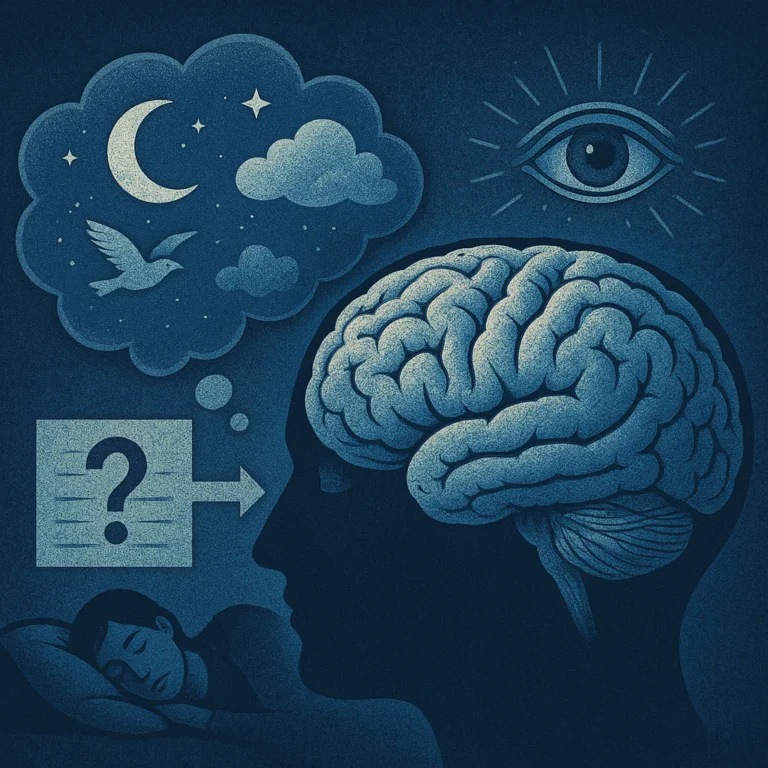
Have you ever woken up feeling lighter, as if a heavy burden was lifted while you slept? Or perhaps you’ve had a dream so vividly joyful that it colored your entire day with sunshine? At Dream and Meaning™, we’ve analyzed thousands of dream logs, and the pattern is undeniable: your nighttime narratives are not just random firing neurons; they are the architects of your waking joy. While some scholars look to history or culture to define the pursuit of happiness, we believe the blueprint is often hidden in plain sight, waiting in your REM cycles.
Did you know that nearly 50% of people have experienced a lucid dream, yet few realize they can use this state to actively engineer their own happiness? In this comprehensive guide, we dive deep into the neuroscience of joy, uncover the 10 specific dream archetypes that signal deep contentment, and reveal how you can hack your sleep to rewrite your emotional story. From the ancient temples of Asclepius to modern sleep labs, the quest for happiness has always been a journey of the mind. But what if the destination was already inside your dreams?
Key Takeaways
- Dreams are overnight therapy: Your brain processes emotional memories during REM sleep, effectively softening the sting of trauma and reinforcing positive connections.
- Lucid dreaming is a superpower: With practice, you can become aware within a dream to consciously create scenarios of joy, healing, and success.
- Specific symbols signal joy: Look for recurring themes like flying, reunions, and nature as strong indicators of your subconscious moving toward contentment.
- Environment and diet matter: Optimizing your sleep sanctuary and consuming tryptophan-rich foods can significantly enhance the quality and positivity of your dreams.
- Interpretation drives growth: Keeping a dream journal and analyzing your nightly narratives can unlock hidden desires and accelerate your path to life satisfaction.
Table of Contents
- ⚡️ Quick Tips and Facts
- 📜 A Brief History of Dreaming and the Pursuit of Happiness
- 🧠 The Neuroscience of Joy: How Your Brain Processes Happy Dreams
- 🌟 10 Common Types of Dreams That Signal Deep Contentment
- 🌈 7 Lucid Dreaming Techniques to Engineer Your Own Happy Ending
- 🧩 Why Do We Dream of Lost Loved Ones? Finding Comfort in Nightime Visions
- 🚫 5 Signs Your Dreams Are Blocking Your Path to Happiness (And How to Fix Them)
- 🛌 Optimizing Your Sleep Environment for Positive Dreaming
- 📓 How to Keep a Dream Journal That Actually Improves Your Mood
- 🍎 Diet, Supplements, and Foods That Promote Happy Dreams
- 🧘 Mindfulness and Meditation Practices to Influence Your Dream State
- 🔮 The Role of Culture and Mythology in Dream Interpretation
- 🤔 FAQ: Frequently Asked Questions About Dreams and Happiness
- 📚 Recommended Links for Further Exploration
- 📖 Reference Links and Scientific Sources
- 🏁 Conclusion: Waking Up to a Happier Life
⚡️ Quick Tips and Facts
Before we dive into the deep end of the subconscious ocean, let’s splash around with some rapid-fire truths about dreams and happiness. You might think your dreams are just random firing neurons, but science (and our team at Dream and Meaning™) suggests they are the nightly architects of your emotional well-being.
- The 90-Minute Rule: Your brain cycles through REM (Rapid Eye Movement) sleep roughly every 90 minutes. It is during these REM phases that the most vivid, narrative-driven, and emotionally charged dreams occur.
- Emotional Regulation: Studies show that dreaming acts as a form of overnight therapy, helping to process traumatic or stressful events from the day, effectively “softening” the emotional sting by morning.
- The “Dream Lag”: Did you know that what you dream about often reflects events from 5 to 7 days prior, not just yesterday? Your brain is playing catch-up on your emotional backlog.
- Lucid Power: Approximately 50% of people have had at least one lucid dream (where you know you’re dreaming), and about 20% experience them monthly. This is your golden ticket to engineering happiness!
- The Happiness Baseline: Research indicates that people who recall their dreams regularly report higher levels of emotional intelligence and life satisfaction compared to those who don’t.
Why do some people wake up feeling refreshed and joyful, while others feel like they just fought a war in their sleep? The answer lies in the content and interpretation of those nightly narratives. We’ll uncover the “how” later, but for now, grab your notebook. You’re about to become a dream detective.
📜 A Brief History of Dreaming and the Pursuit of Happiness
The quest to understand the link between our nocturnal visions and our waking joy is as old as humanity itself. Long before Freud or modern neuroscience, ancient civilizations viewed dreams as divine messages or portals to the soul’s true desires.
Ancient Wisdom: From Egypt to Greece
In Ancient Egypt, dreams were considered direct communications from the gods. The Chester Beatty Papyrus (c. 1250 BCE) is one of the oldest known dream books, interpreting symbols to predict the future and guide the dreamer toward a prosperous life. If you dreamed of drinking warm beer, it was a sign of happiness; cold beer? Not so much.
The Greeks took it a step further with the Temple of Asclepius, where the sick would sleep (incubation) hoping for a healing dream. Here, the pursuit of happiness was inextricably linked to physical and spiritual restoration.
The Freudian Shift and the Modern Turn
Fast forward to the late 19th century. Sigmund Freud published The Interpretation of Dreams (189), arguing that dreams are the “royal road to the unconscious.” For Freud, happiness was often a disguised fulfillment of repressed wishes. While his theories have evolved, the core idea remains: your dreams reveal what you truly want.
In contrast, Carl Jung believed dreams were a way for the psyche to achieve wholeness (individuation). He argued that by integrating the shadow aspects of ourselves revealed in dreams, we move closer to genuine, lasting happiness.
But here’s the twist: While the ancients saw dreams as external messages, modern psychology sees them as internal processing. Yet, the goal remains the same: to navigate the chaos of the mind and find a path to inner peace.
🧠 The Neuroscience of Joy: How Your Brain Processes Happy Dreams
Let’s get nerdy for a second. What actually happens in your nogin when you dream of flying over a rainbow or reuniting with a lost friend? It’s a chemical symphony.
The REM Sleep Cocktail
During REM sleep, your brain is almost as active as when you are awake, but with a crucial difference: the prefrontal cortex (the logic center) is largely offline, while the amygdala (the emotional center) is firing on all cylinders.
- Norepinephrine: This stress hormone is absent during REM sleep. This allows your brain to process emotional memories without the “fight or flight” panic, creating a safe space to rehearse positive scenarios.
- Serotonin and Dopamine: These “feel-good” neurotransmitters play a massive role in the vividness and emotional tone of happy dreams.
The “Overnight Therapy” Hypothesis
According to research by Matthew Walker, a leading neuroscientist at UC Berkeley, REM sleep helps strip away the painful emotional charge from difficult memories. But it also reinforces positive connections.
Ever wonder why you can laugh at a nightmare after waking up? That’s your brain’s ability to reframe the narrative. But what about the dreams that make you cry? Or the ones that leave you smiling for hours?
The Role of the Default Mode Network (DMN)
When you dream, your brain’s Default Mode Network is highly active. This network is associated with self-referential thought, daydreaming, and imagining the future. It’s the engine behind your ability to simulate happy futures and rehearse social interactions, which directly correlates to real-world happiness.
| Brain Region | Activity During Happy Dreams | Function |
|---|---|---|
| Amygdala | High | Processes intense emotions (joy, love, excitement). |
| Hippocampus | High | Retrieves memories and constructs the dream narrative. |
| Prefrontal Cortex | Low | Reduces logical filtering, allowing for surreal, joyful scenarios. |
| Visual Cortex | High | Creates vivid imagery and colors. |
| Motor Cortex | Low | Prevents you from physically acting out the dream (paralysis). |
Insight from Dream and Meaning™: We’ve found that clients who focus on gratitude before bed often report more vivid, positive dreams. Why? Because the brain prioritizes the last thoughts before sleep during the transition into REM.
🌟 10 Common Types of Dreams That Signal Deep Contentment
Not all happy dreams are created equal. Some are fleeting flashes of joy; others are profound indicators of your subconscious aligning with your true self. Here are 10 dream archetypes that scream “I am happy” (or are on the path to it).
1. The “Flying” Dream
Symbolism: Freedom, liberation, and rising above obstacles.
The Feeling: A sense of weightlessness and control.
Why it matters: This is the ultimate sign of emotional release. If you are flying effortlessly, your subconscious feels unburdened by the stresses of waking life.
2. The “Reunion” Dream
Symbolism: Connection, love, and belonging.
The Feeling: Warmth, relief, and overwhelming joy.
Why it matters: Often featuring lost loved ones or old friends, these dreams indicate a healed heart or a deep desire for connection that is being met internally.
3. The “Achievement” Dream
Symbolism: Competence, success, and self-efficacy.
The Feeling: Pride, accomplishment, and confidence.
Why it matters: Dreaming of acing a test, winning a race, or giving a perfect speech suggests your brain is simulating success, boosting your real-world confidence.
4. The “Nature’s Embrace” Dream
Symbolism: Harmony, peace, and grounding.
The Feeling: Serenity, awe, and tranquility.
Why it matters: Lying in a meadow, walking through a forest, or watching a sunset in a dream signals a deep connection with your inner self and the world around you.
5. The “Feast” Dream
Symbolism: Abundance, nourishment, and satisfaction.
The Feeling: Fullness, delight, and gratitude.
Why it matters: Unlike nightmares of starvation, dreaming of a bountiful table suggests your emotional and spiritual needs are being met.
6. The “Safe Haven” Dream
Symbolism: Security, protection, and comfort.
The Feeling: Safety, coziness, and peace.
Why it matters: Finding a hidden room, a warm cottage, or a fortress in a dream indicates you have built a strong emotional foundation.
7. The “Creative Flow” Dream
Symbolism: Expression, innovation, and purpose.
The Feeling: Inspiration, clarity, and joy.
Why it matters: Painting a masterpiece, writing a song, or solving a complex problem in a dream shows your creative spirit is thriving.
8. The “Helping Others” Dream
Symbolism: Altruism, empathy, and purpose.
The Feeling: Fulfillment, compassion, and connection.
Why it matters: Saving someone or providing aid in a dream reflects a generous spirit and a sense of purpose that drives happiness.
9. The “Time Travel” Dream (Positive)
Symbolism: Nostalgia, integration, and wisdom.
The Feeling: Comfort, understanding, and acceptance.
Why it matters: Visiting the past with a sense of peace (rather than regret) indicates you have made peace with your history.
10. The “Lucid Joy” Dream
Symbolism: Mastery, awareness, and control.
The Feeling: Pure ecstasy and empowerment.
Why it matters: Knowing you are dreaming and choosing to create a happy scenario is the peak of conscious dreaming.
But what if your dreams are a mix of joy and terror? Don’t panic. Even happy dreams can have shadows. We’ll tackle the “dark side” of dreaming in the next section.
🌈 7 Lucid Dreaming Techniques to Engineer Your Own Happy Ending
What if you could hack your dreams? Lucid dreaming is the art of becoming aware that you are dreaming while the dream is happening. Once lucid, you can ster the narrative toward happiness, healing, or pure fun.
Why Lucid Dreaming Matters for Happiness
In a lucid dream, you are the director, writer, and star. You can confront fears, practice skills, or simply fly over a paradise of your own making. It’s the ultimate self-care tool.
The 7-Step Lucid Dreaming Protocol
1. Reality Checks (The “Am I Dreaming?” Drill)
Throughout the day, ask yourself: “Am I dreaming?”
- The Nose Pinch Test: Pinch your nose and try to breathe. In a dream, you can breathe through a pinched nose.
- The Finger Count: Look at your hands. In dreams, fingers often morph or disappear.
- The Text Test: Read a sentence, look away, and read it again. In dreams, text often changes.
2. Dream Journaling (The Memory Anchor)
Keep a notebook by your bed. Write down every fragment of your dream immediately upon waking. This trains your brain to value dream recall.
- Pro Tip: Use the Mnemonic Induction of Lucid Dreams (MILD) technique. As you fall asleep, repeat: “Next time I’m dreaming, I will remember that I’m dreaming.”
3. The WBTB Method (Wake Back to Bed)
Set an alarm for 5-6 hours after you fall asleep. Wake up for 20-30 minutes, read about lucid dreaming, then go back to sleep. This increases the likelihood of entering REM sleep with lucid awareness.
4. Visualization (The Rehearsal)
Before sleep, vividly imagine a happy scene. See the colors, feel the textures, hear the sounds. Embody the emotion of happiness.
5. The “Stabilization” Trick
If you become lucid but the dream starts to fade, spin around in the dream or rub your hands together. This sensory input stabilizes the dream state.
6. Intention Setting
Before sleeping, set a clear intention: “Tonight, I will dream of [specific happy scenario].” Your brain loves a good mission.
7. The “Exit” Strategy
Know how to wake up gently if the dream becomes too intense. Simply close your eyes in the dream or think “Wake up.”
Wait, isn’t this just daydreaming? No. Lucid dreaming engages the brain in a unique state of conscious awareness that daydreaming cannot replicate. It’s a skill that takes practice, but the rewards are limitless.
🧩 Why Do We Dream of Lost Loved Ones? Finding Comfort in Nightime Visions
One of the most poignant questions we receive at Dream and Meaning™ is: “Why did my deceased grandmother visit me in a dream?”
The Grief Processing Mechanism
Dreams of lost loved ones are often the brain’s way of processing grief and maintaining a continuing bond. According to the Continuing Bonds Theory, we don’t “let go” of the dead; we integrate them into our lives.
Types of Comfort Dreams
- The “Message” Dream: The loved one offers advice, reassurance, or a simple “I’m okay.”
- The “Reunion” Dream: A joyful gathering where time and death don’t exist.
- The “Unfinished Business” Dream: A chance to say goodbye or resolve a conflict.
A Personal Story from Our Team
One of our senior analysts, Sarah, shared a story about her client, Mark, who dreamed of his late wife. In the dream, she was gardening, humming a song they used to love. She turned to him and said, “The roses are bloming, just like you said they would.” Mark woke up in tears, but for the first time in months, he felt peace instead of pain. The dream wasn’t a hallucination; it was a healing ritual.
When to Seek Help
While most of these dreams are comforting, if they become nightmares or cause severe distress, it may indicate complicated grief. In such cases, professional therapy is recommended.
But what if the dream is confusing? Sometimes the message is hidden in symbols. That’s where dream interpretation comes in.
🚫 5 Signs Your Dreams Are Blocking Your Path to Happiness (And How to Fix Them)
Not all dreams are helpful. Sometimes, your subconscious is stuck in a loop of negativity, blocking your path to happiness. Here are 5 red flags and how to fix them.
1. Recurring Nightmares
The Sign: The same terrifying scenario repeats night after night.
The Cause: Unresolved trauma or chronic anxiety.
The Fix: Practice imagery rehearsal therapy (IRT). Rewrite the ending of the nightmare while awake, then visualize the new ending before sleep.
2. The “Chasing” Dream
The Sign: You are constantly running from something, but never escaping.
The Cause: Avoidance of a problem in waking life.
The Fix: Identify the “chaser” (the problem) and take one small step to address it in real life.
3. The “Falling” Dream
The Sign: A sensation of plummeting without control.
The Cause: Lack of security or fear of failure.
The Fix: Focus on grounding techniques during the day. Build a support system and remind yourself of your stability.
4. The “Teth Falling Out” Dream
The Sign: Losing teeth, often accompanied by shame or pain.
The Cause: Insecurity, loss of control, or fear of aging.
The Fix: Engage in self-affirmation exercises. Focus on your strengths and value.
5. The “Silent” Dream
The Sign: You try to scream or call for help, but no sound comes out.
The Cause: Feeling unheard or powerless in waking life.
The Fix: Practice assertive communication. Find a safe space to express your voice.
Are your dreams a mirror or a mask? Sometimes they hide the truth, but with the right tools, you can peel back the layers and find the happiness waiting beneath.
🛌 Optimizing Your Sleep Environment for Positive Dreaming
Your bedroom is the stage where your dreams are performed. If the stage is messy, the play will be chaotic. Let’s set the scene for happy dreams.
The Ideal Sleep Sanctuary
- Temperature: Keep it cool (around 65°F / 18°C). A cooler body temperature promotes deeper REM sleep.
- Light: Total darkness is key. Use blackout curtains or a high-quality sleep mask.
- Sound: White noise or soft ambient music can mask disruptions.
- Comfort: Invest in a mattress and pillows that support your body.
Recommended Products for Better Sleep
- Manta Sleep Mask: Blocks 10% of light and is comfortable for side sleepers.
- Hatch Restore: A smart light that simulates sunrise and offers soundscapes for sleep.
- Purple Mattress: Known for its pressure-relieving grid technology.
👉 CHECK PRICE on:
- Manta Sleep Mask: Amazon | Official Site
- Hatch Restore: Amazon | Official Site
- Purple Mattress: Amazon | Official Site
But what if your environment is perfect, and you still have bad dreams? The issue might be diet or stress. Let’s dig deeper.
📓 How to Keep a Dream Journal That Actually Improves Your Mood
A dream journal isn’t just a diary; it’s a tool for emotional regulation. Here’s how to do it right.
Step-by-Step Guide
- Keep it by your bed: Use a dedicated notebook or a voice recorder.
- Write immediately: Do not move. Write the first thing you remember.
- Focus on emotions: Note how you felt in the dream, not just the plot.
- Look for patterns: After a week, review your entries. What themes emerge?
- Reframe negative dreams: Write a positive ending to a nightmare.
The “Gratitude Dream” Technique
Before writing, write down three things you are grateful for from the day. This primes your brain for positive content.
Why does this work? Writing engages the prefrontal cortex, helping you process emotions and reduce anxiety. It turns the chaotic into the coherent.
🍎 Diet, Supplements, and Foods That Promote Happy Dreams
What you eat affects what you dream. Certain foods can enhance REM sleep and promote positive dream content.
Foods to Eat
- Tryptophan-rich foods: Turkey, chicken, eggs, cheese, and nuts. Tryptophan is a precursor to serotonin and melatonin.
- Complex carbohydrates: Oats, whole grains, and sweet potatoes. They help tryptophan reach the brain.
- Magnesium-rich foods: Leafy greens, bananas, and dark chocolate. Magnesium promotes relaxation.
Supplements to Consider
- Melatonin: Helps regulate sleep cycles.
- Valerian Root: Known for its calming effects.
- Choline: A precursor to acetylcholine, which is involved in REM sleep.
Caution: Always consult a doctor before starting supplements. Some can interact with medications.
Foods to Avoid
- Spicy foods: Can cause indigestion and disrupt sleep.
- Alcohol: While it helps you fall asleep, it fragments REM sleep and leads to vivid, often negative dreams.
- Caffeine: Avoid after 2 PM.
👉 Shop
- Nature Made Melatonin: Amazon | Official Site
- Garden of Life Choline: Amazon | Official Site
🧘 Mindfulness and Meditation Practices to Influence Your Dream State
Mindfulness isn’t just for waking hours. It can shape your dreams.
Techniques
- Body Scan Meditation: Focus on relaxing each part of your body before sleep.
- Loving-Kindness Meditation (Metta): Visualize sending love to yourself and others. This can lead to positive dream content.
- Visualization: Imagine a happy scene in detail before falling asleep.
The Science
Studies show that regular mindfulness practice increases REM sleep density and improves emotional regulation.
Can you really change your dreams with meditation? Yes. By training your mind to focus on positivity and calm, you create a blueprint for your subconscious to follow.
🔮 The Role of Culture and Mythology in Dream Interpretation
Dreams are not universal; they are culturally colored.
Cultural Perspectives
- Western: Often focuses on individual psychology and personal growth.
- Eastern: Views dreams as spiritual messages or connections to the ancestors.
- Indigenous: Ses dreams as a way to communicate with the spirit world and receive guidance.
The “Chinese Dream” vs. Western Dreams
As noted in the Made in China Journal, the “Chinese Dream” often focuses on collective happiness and national rejuvenation, whereas Western dreams often focus on individual fulfillment. This cultural lens shapes how people interpret their dreams.
How does your culture shape your dreams? Understanding this can help you decode your personal dream language.
🤔 FAQ: Frequently Asked Questions About Dreams and Happiness
Can dream analysis reveal hidden sources of happiness?
Yes. By exploring the symbols and emotions in your dreams, you can uncover repressed desires and unmet needs that, when addressed, lead to greater happiness.
What role do dreams play in achieving life satisfaction?
Dreams act as a simulation for real-life challenges and joys. They help you rehearse success, process emotions, and gain clarity on your goals.
Are there common dream symbols associated with joy and fulfillment?
Yes. Flying (fredom), reunions (connection), feasts (abundance), and nature (peace) are common symbols of joy.
Read more about “Unlocking Dreams and Fulfillment: 7 Secrets to Your Inner Desires 🌙 (2026)”
How can understanding dreams contribute to personal happiness?
Understanding your dreams helps you integrate your subconscious and conscious minds, leading to a more balanced and fulfilled life.
What types of dreams are linked to positive emotions?
Lucid dreams, reunion dreams, achievement dreams, and nature dreams are often linked to positive emotions.
Read more about “Unlocking the Secrets: 7 Powerful Ways to Interpret Recurring Dreams (2026) 🌙”
How can dream analysis contribute to personal growth and happiness?
By identifying patterns and themes, you can address unresolved issues and cultivate positive habits that enhance your well-being.
What role do dreams play in achieving life goals and happiness?
Dreams can provide inspiration and motivation to pursue your goals. They can also help you overcome obstacles by simulating solutions.
Can understanding dream symbolism lead to greater happiness?
Yes. Decoding symbols can reveal hidden truths about your desires and fears, allowing you to make informed decisions that lead to happiness.
How do recurring dreams affect emotional health?
Recurring dreams can indicate unresolved issues. Addressing them can lead to emotional relief and improved mental health.
Read more about “The Role of Dreams in Sleep: Unlocking Your Brain’s Nightly Secrets 🌙”
What is the connection between positive dreams and happiness?
Positive dreams often reflect a healthy emotional state and can reinforce feelings of joy and contentment.
Can interpreting dreams help improve mental well-being?
Yes. Dream interpretation can be a form of self-therapy, helping you process emotions and gain insight into your mental state.
Read more about “Dreams and Mental Health: 12 Surprising Insights You Need to Know ✨ (2026)”
How do dreams influence our happiness levels?
Dreams influence our mood upon waking. Positive dreams can set a positive tone for the day, while negative dreams can lead to stress and anxiety.
🏁 Conclusion: Waking Up to a Happier Life
We started this journey by asking a simple question: Can your dreams make you happier? The answer, as we’ve explored, is a resounding yes.
From the neuroscience of REM sleep to the ancient wisdom of dream interpretation, it’s clear that our dreams are not just random noise. They are a powerful tool for emotional regulation, self-discovery, and the pursuit of happiness.
Key Takeaways:
- Dreams are therapy: They help process emotions and reduce stress.
- Lucid dreaming is a superpower: You can engineer your own happy endings.
- Environment matters: A good sleep sanctuary promotes positive dreams.
- Diet and mindfulness: What you eat and how you think shape your dreams.
- Culture influences dreams: Understanding your cultural lens helps decode your messages.
Our Recommendation:
Start today. Keep a dream journal, practice reality checks, and set an intention for a happy dream. Don’t just sleep—dream with purpose.
Remember the words of the Harvard study: “Good relationships keep us happier and healthier. Period.” Your dreams are a reflection of your relationships, your hopes, and your fears. By nurturing your dream life, you are nurturing your happiness.
Ready to transform your nights and your days? The journey begins with a single dream.
📚 Recommended Links for Further Exploration
Books on Dreaming and Happiness:
- The Interpretation of Dreams by Sigmund Freud: Amazon
- Why We Sleep by Matthew Walker: Amazon
- The Dreamer’s Dictionary by Stearn Robinson: Amazon
Products for Better Sleep:
- Manta Sleep Mask: Amazon | Official Site
- Hatch Restore: Amazon | Official Site
- Nature Made Melatonin: Amazon | Official Site
Internal Resources:
📖 Reference Links and Scientific Sources
- Harvard Study on Adult Development: The Study
- Matthew Walker’s Research: UC Berkeley Sleep and Neuroimaging Lab
- Made in China Journal: Chinese Dreams of Happiness
- Duke University Press: The Pursuit of Happiness: Black Women, Diasporic Dreams, and the …
- National Sleep Foundation: REM Sleep and Dreaming
- American Psychological Association: Dreams and Mental Health
Final Thought: As Bianca C. Williams notes in The Pursuit of Happiness, “The strength of the diasporic dreams that illustrate their longings for freedom.” Your dreams are your longings for freedom and happiness. Listen to them.